The post Fossils appeared first on Dubai Hiking.
]]>This fossil seems to be a collection of burrow or worm casts; they could be trilobite fossils.
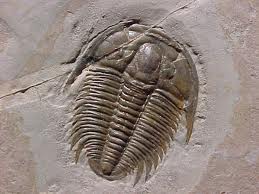
trilobite 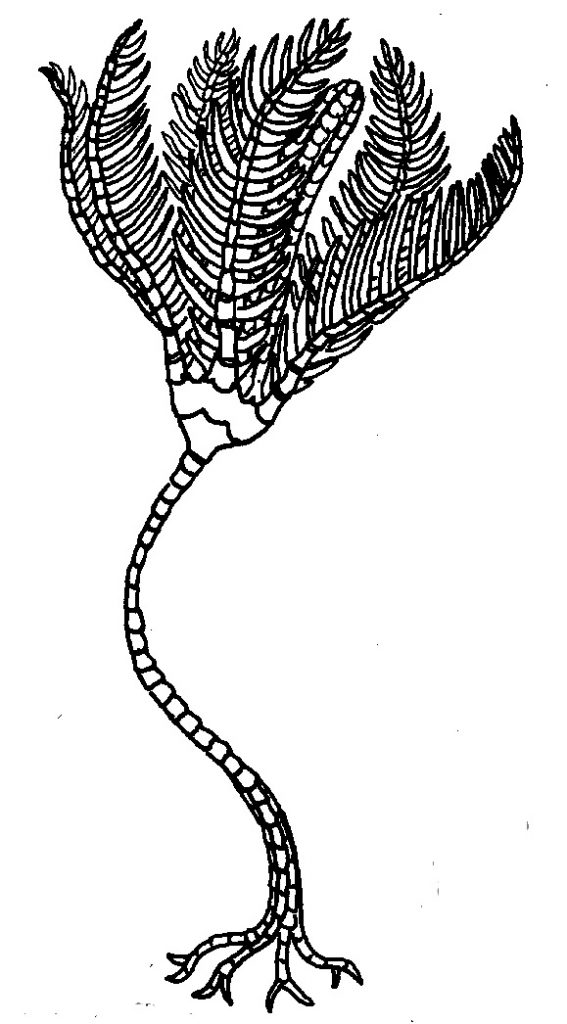
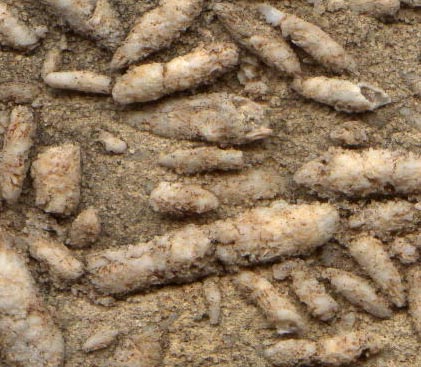
Permian/Triassic 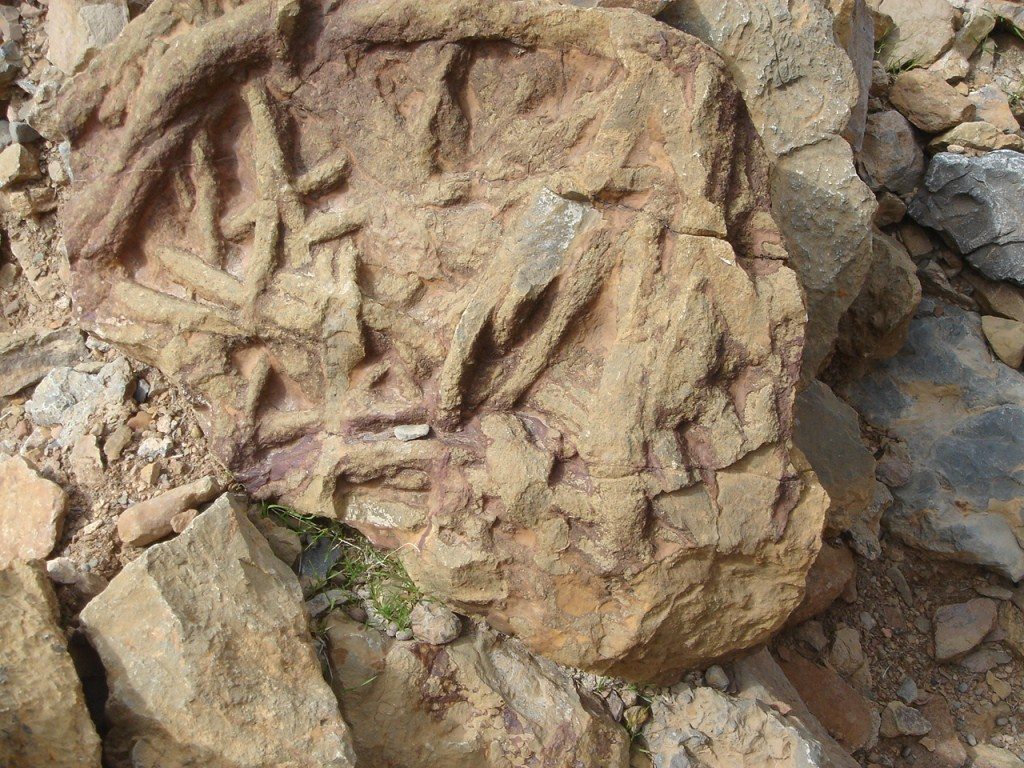
The rocks in the vicinity of Wadi Bih are Permian/Triassic (286 to 208 millions of years ago) and trilobites appeared from Cambrian to Permian (570 to 245 millions of years ago). So there is a good chance these trilobites have created this fascinating tangle.
It is quite a mixture:
- there could be some fusulinids: cigar-shaped foraminifera (= hole bearers)
- some crinoids (sea urchins, flower like marine animals, also called sea lilies, which are flowers like sea urchins)
- some corals and some shells
Trilobite (means “three lobes”) is a well known fossil group of extinct marine anthropods.
Fossil Rock
Fossil Rock is officially known as Jebel Maleihah and is part of the ridge which runs from Ras Al Khaimah to Al Ain.
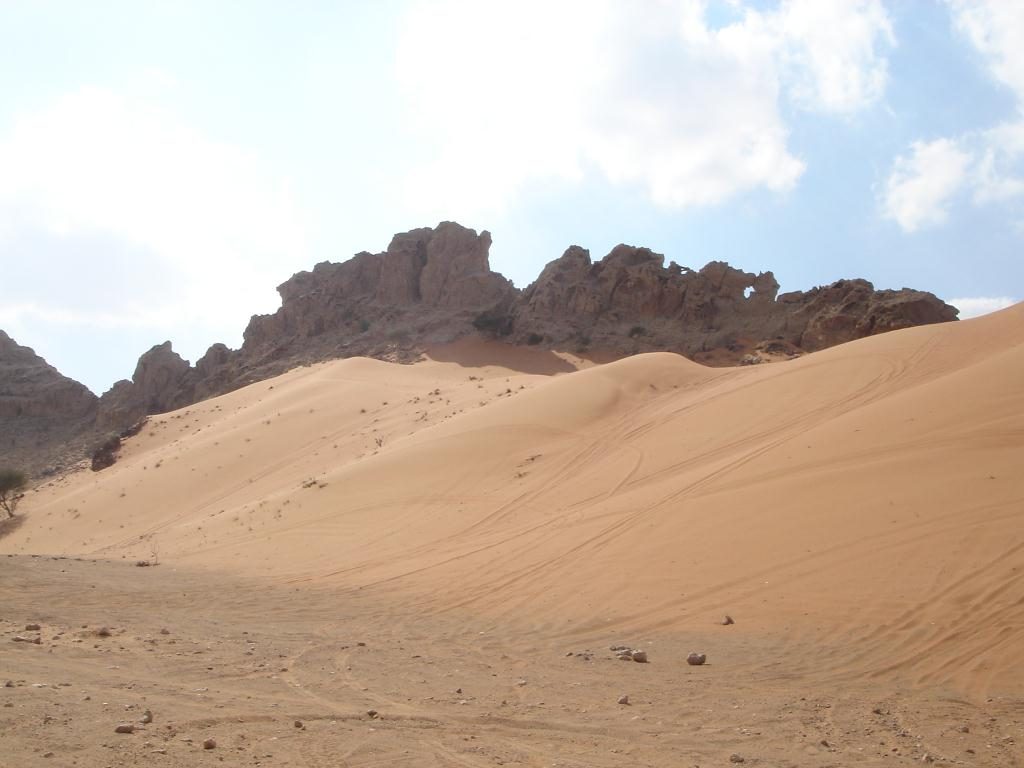
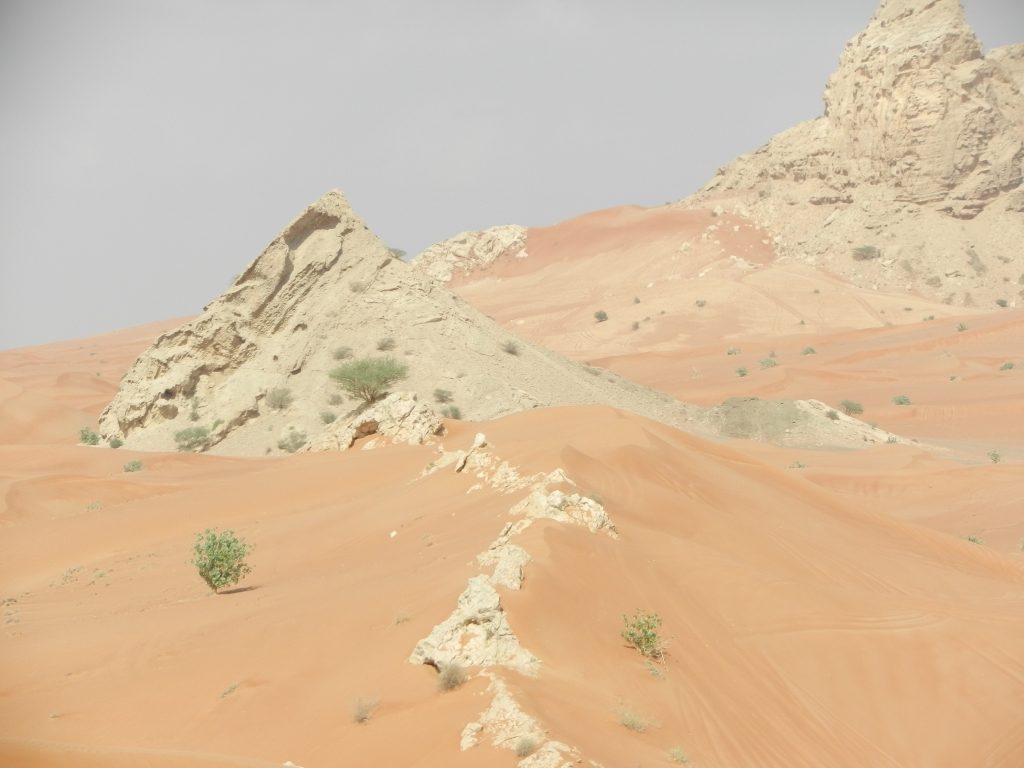
All along this ridge, in one specific and distinct layer, the same type of fossils can be found. However, they are not always easily accessible or even visible.
The large outcrop, known as “Fossil Rock”, is the most popular area for fossil hunters in the UAE: at this site they can be found on the slopes quite easily. Or I`d rather say: they “could” be found easily.
Due to the fact that this is one of the most known accessible fossil sites in the region, numerous hunters have been cutting and carving away the relics of our past. Nowadays, the name is still there but most of the visible fossils are gone. The layer is hammered out and destruction is near complete.
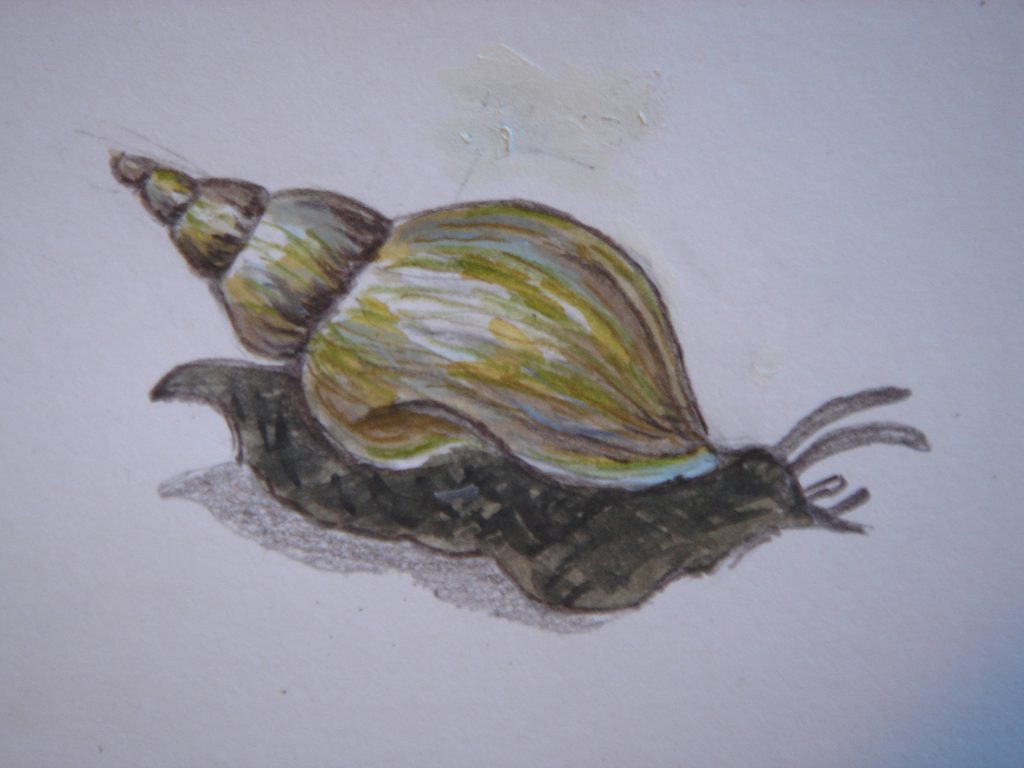
If you have a sharp eye and are lucky to spot fossils, you have most probably encountered “gastropods”, more commonly known as snails or slugs. In theory, gastropods can be of various sizes and can live in the sea, fresh water or on land.
Those of Fossil Rock are marine gastropods: these creatures crawled on the ocean floor many million years ago when seawater covered most of the land, currently known as Arabia.
The fossil history of this class goes all the way back to the late Cambrian (500 million years ago)
stropods: these creatures crawled on the ocean floor many million years ago when seawater covered most of the land, currently known as Arabia.
The fossil history of this class goes all the way back to the late Cambrian (500 million years ago)
Gastropods
seashell dubai hiking 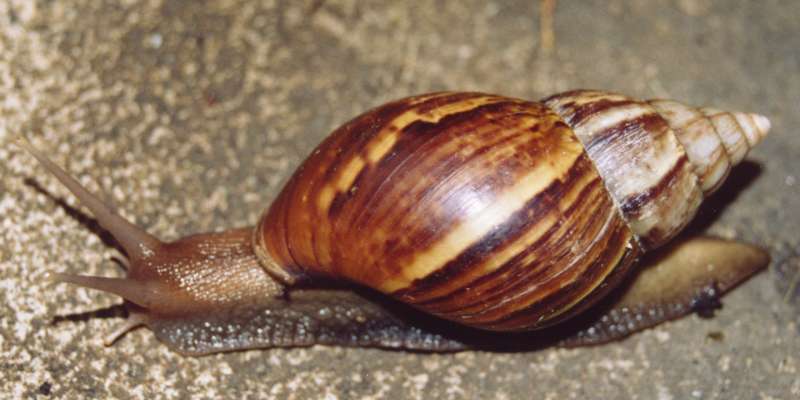
seashell dubai hiking 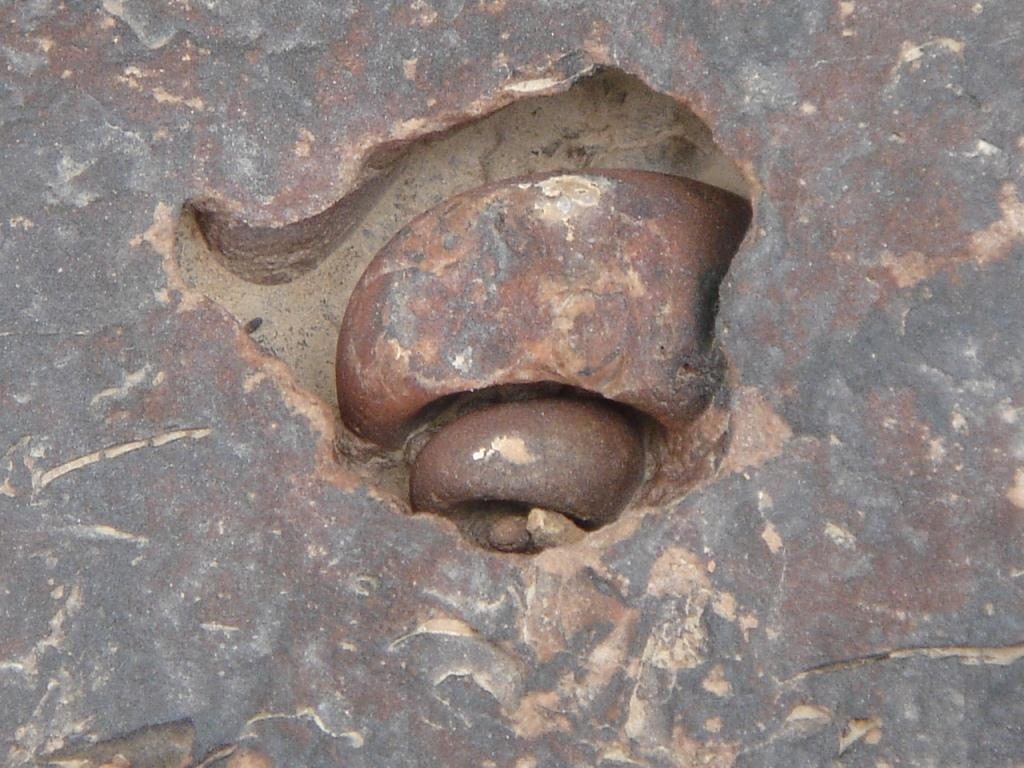
seashell dubai hiking 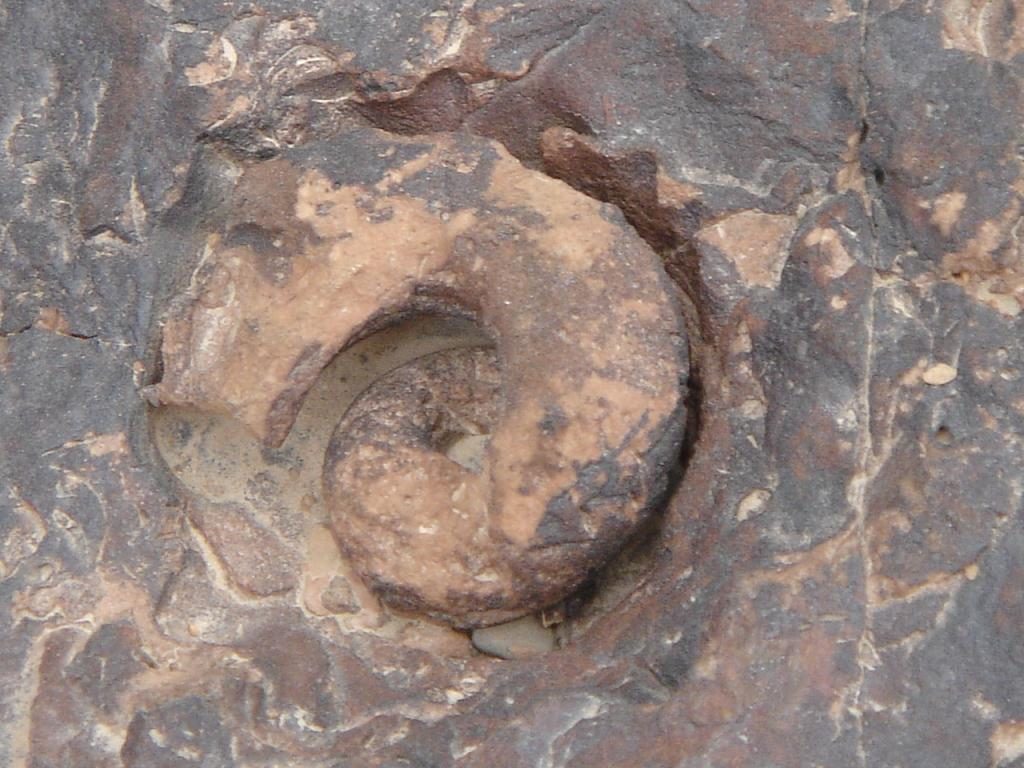
seashell dubai hiking 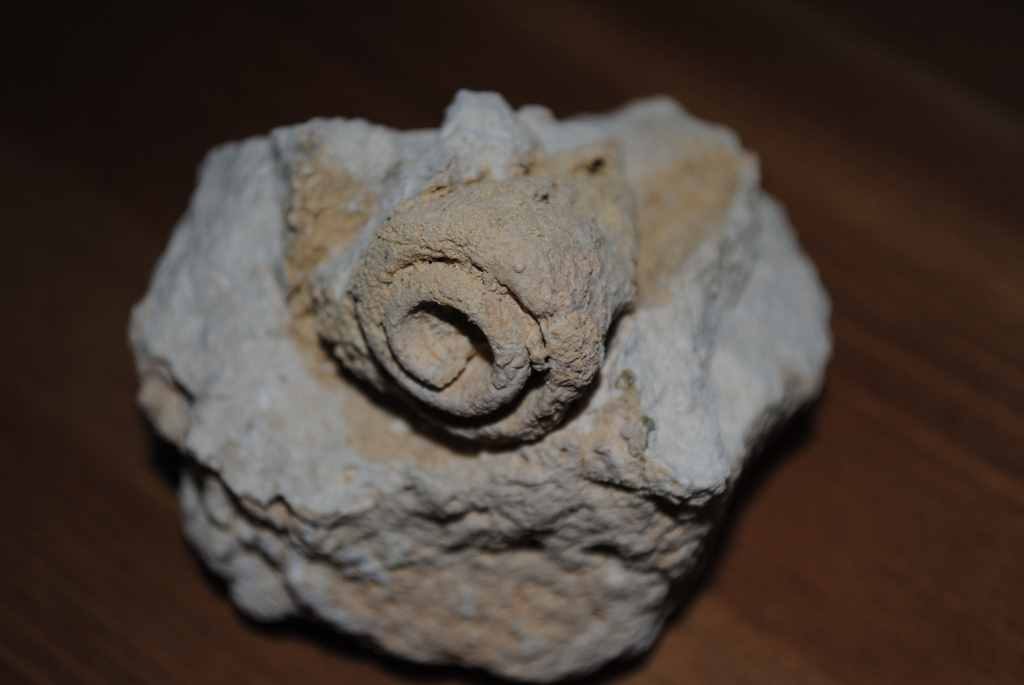
seashell dubai hiking 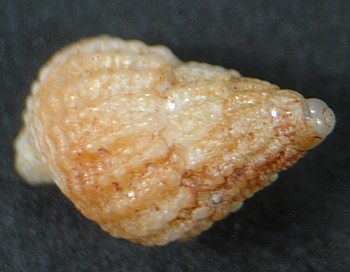
seashell dubai hiking 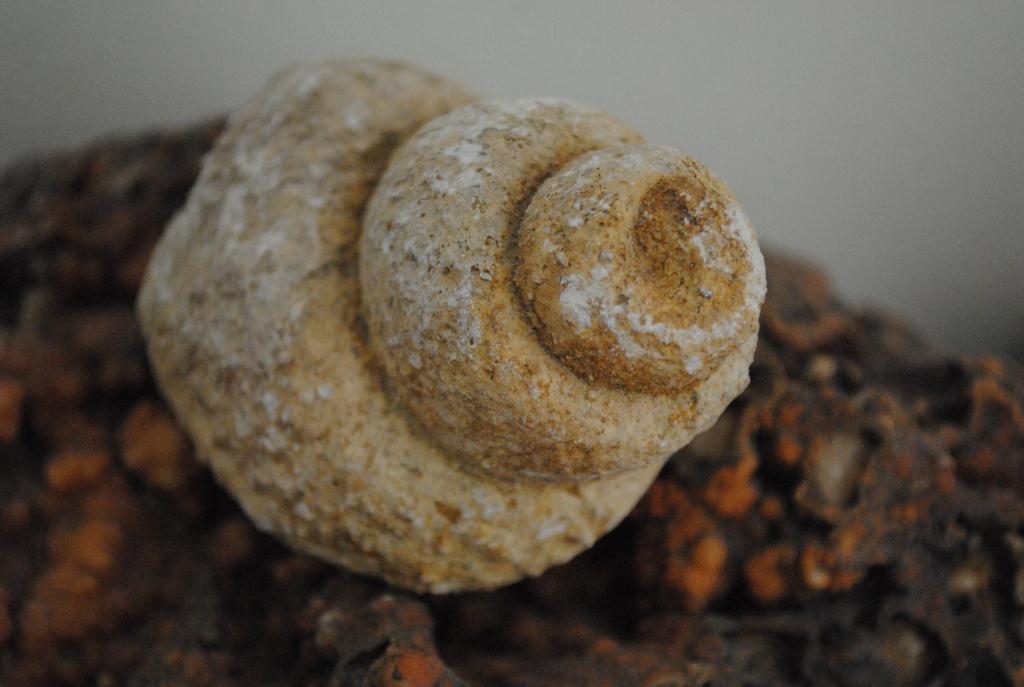
seashell dubai hiking 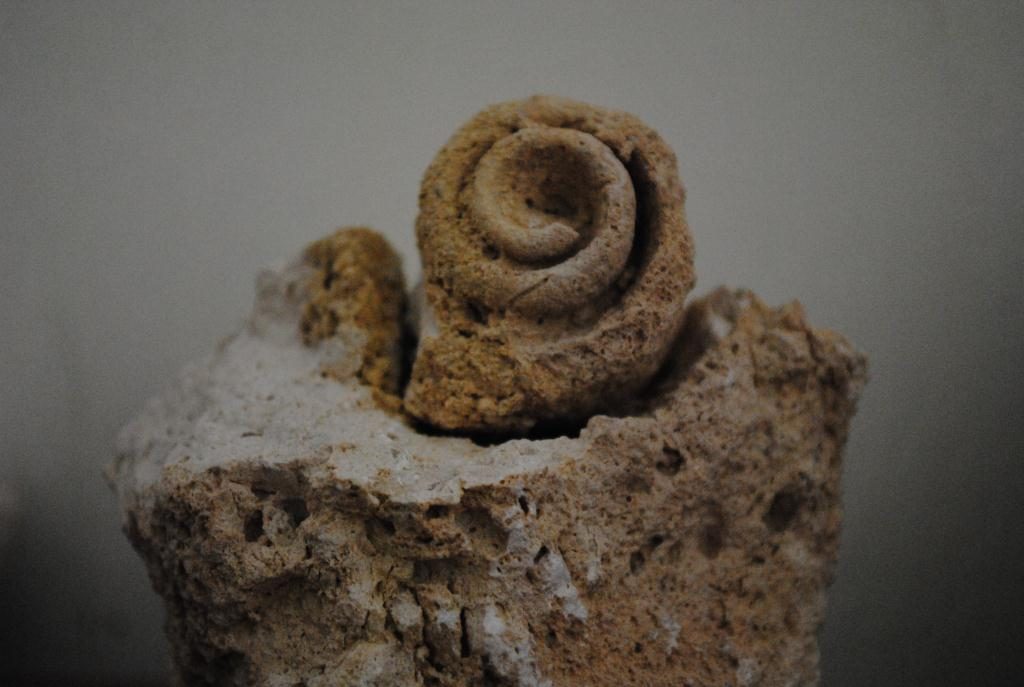
seashell dubai hiking 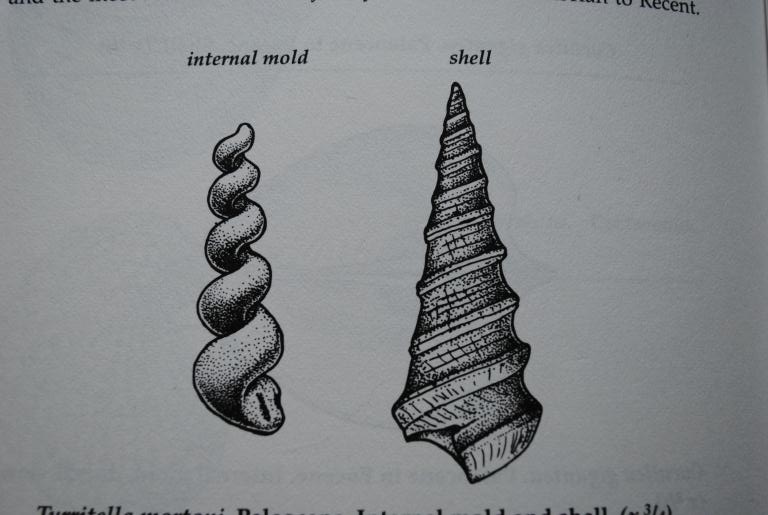
seashell dubai hiking 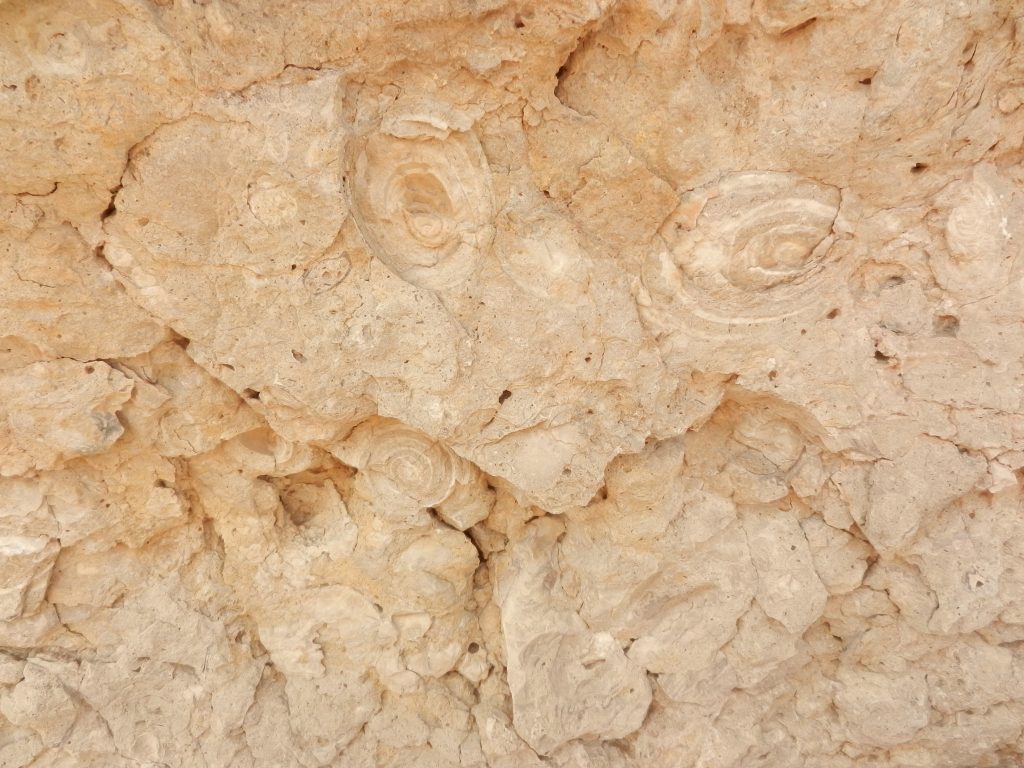
seashell dubai hiking 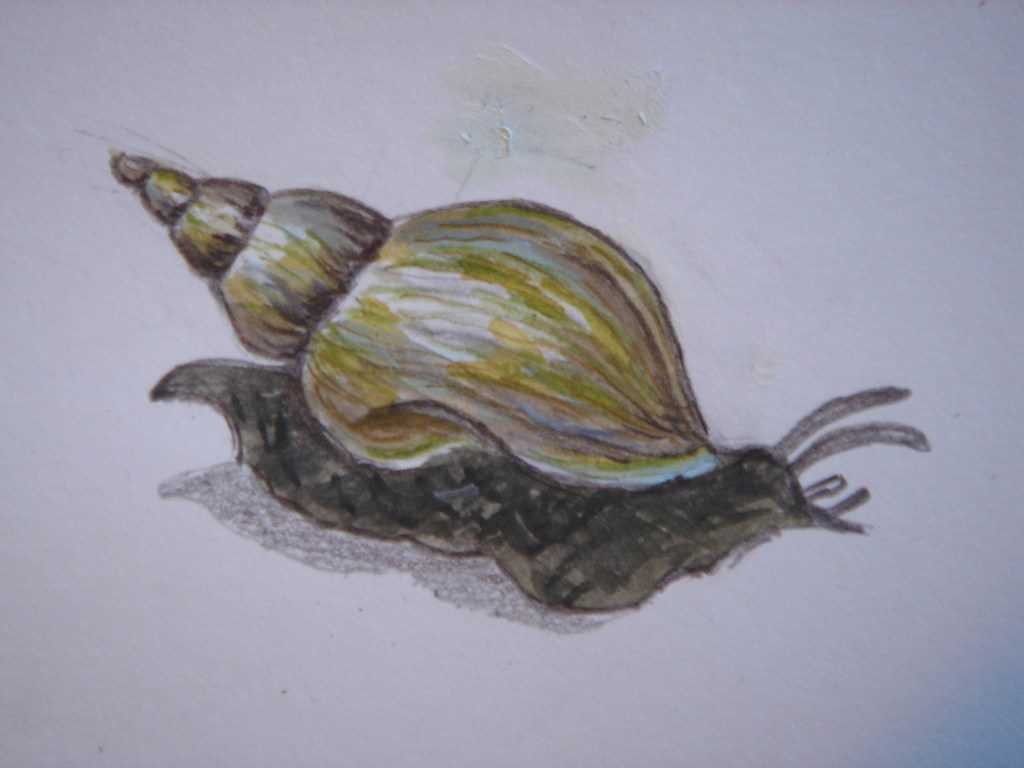
seashell dubai hiking
Gastropods: any member of more than 65,000 animal species belonging to the Class Gastropoda, the largest group in the phylum Mollusca. The class is made up of the snails, which have a shell into which the animal can generally withdraw, and the slugs—snails whose shells have been reduced to an internal fragment or completely lost in the course of evolution.

The post Fossils appeared first on Dubai Hiking.
]]>The post Citrullus colocynthis appeared first on Dubai Hiking.
]]>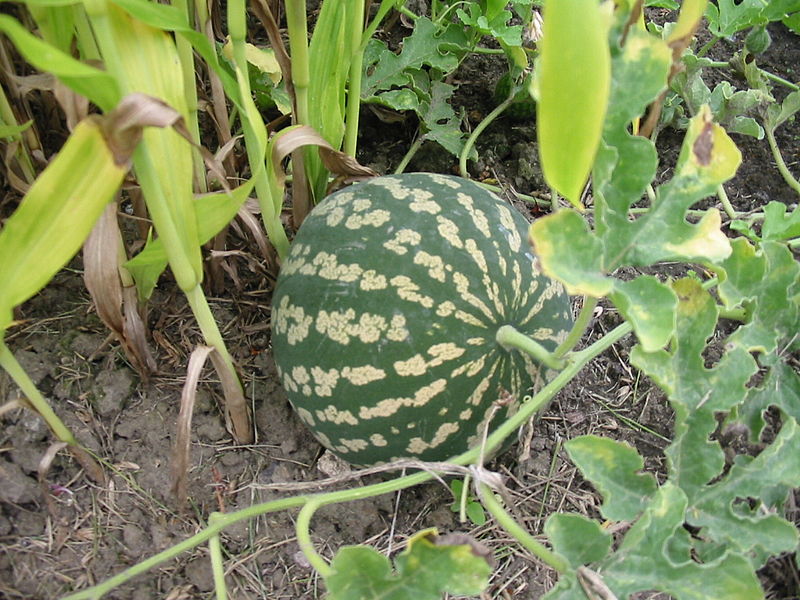
We saw these remarkable plants during one of our hikes in Wadi Wurayah.
Citrullus colocynthis, commonly known as the colocynth, bitter apple, bitter cucumber, desert gourd, egusi, or vine of Sodom, is a desert viny plant.
It resembles a common watermelon vine but bears small, hard fruits with a bitter pulp. It originally bore the scientific name Colocynthis citrullus, but is now classified as Citrullus colocynthis.
Citrullus colocynthis is a desert viny plant that grows in sandy arid soils.
The flowers are yellow and solitary in the axes of leaves.
Each plant produces 15 to 30 fruits.
The seeds are grey and 5 mm long and 3 mm wide. They are edible but similarly bitter, nutty-flavored and rich in fat and protein. They are eaten whole or used as an oilseed.
The roots are large, fleshy and perennial. The survival rate is high thanks to the long tap root. The vine-like stems spread in all directions for a few meters looking for something to climb over. If present, shrubs and herbs are preferred and climbed by means of auxiliary branching tendrils.
The leaves are very similar to watermelon leaves: they are palmed, angular with 3-7 divided lobes.
The post Citrullus colocynthis appeared first on Dubai Hiking.
]]>The post Caralluma appeared first on Dubai Hiking.
]]>Once back home, we found out this is the Caralluma Arabica (Milkweed family), also known as: khanasoor or khansur, dhagabis, dhaga dhakboos … They grow in clusters and can become up to 30 cm high. The largest we found so far did not exceed 25 cm.
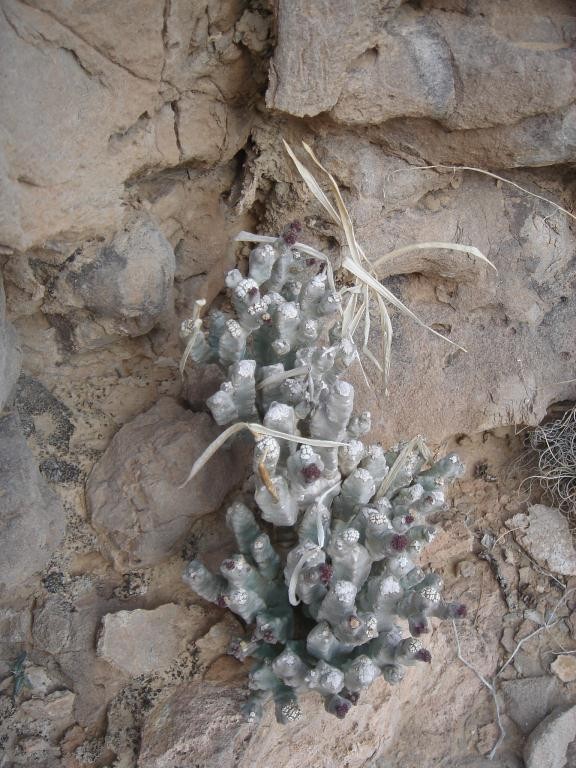
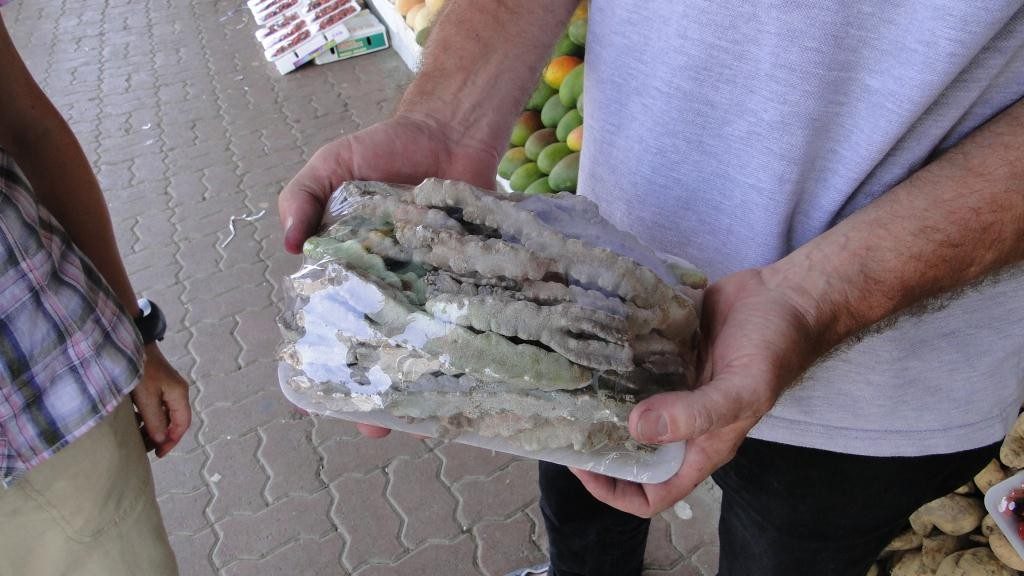
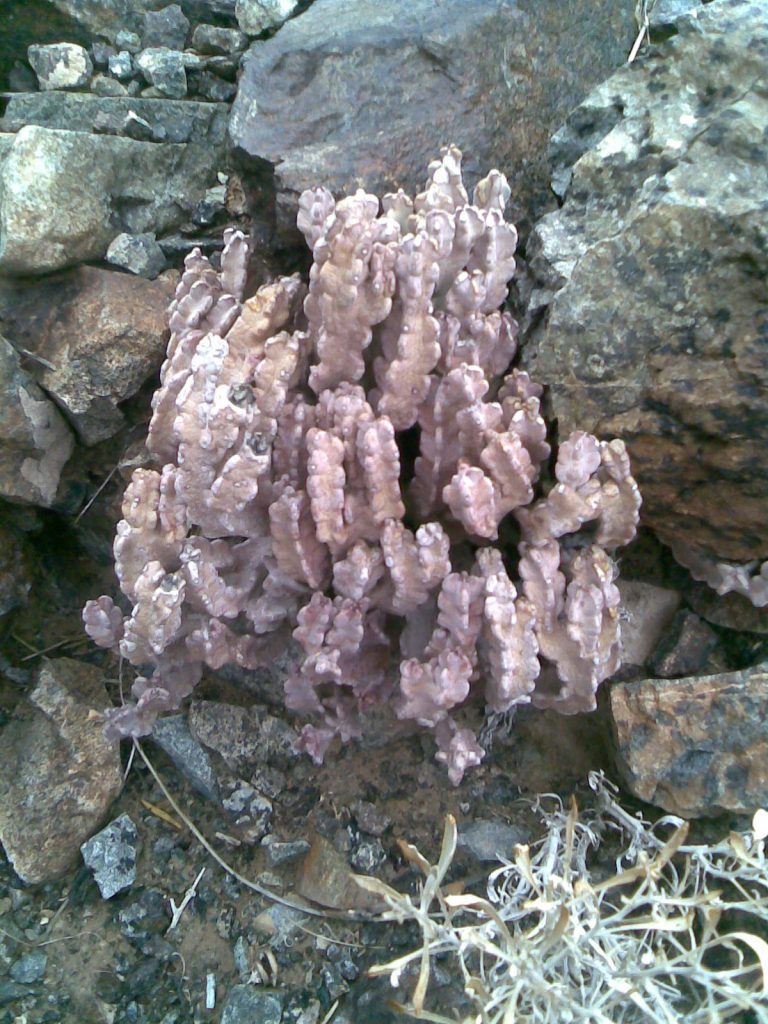
After the winter and spring rains, the abundant young, fresh shoots are collected widely and sold at markets: despite the weird, rubbery look, the plant is edible. Especially the top part seems to be juicy and tasty (cfr asparagus).
There are pinkish specimen (Caralluma Arabica) and greenish ones (Caralluma Flava).
The plants are also used as a medicine: treatment of high blood pressure, liver ailments and indigestion.
The post Caralluma appeared first on Dubai Hiking.
]]>The post Juniper trees appeared first on Dubai Hiking.
]]>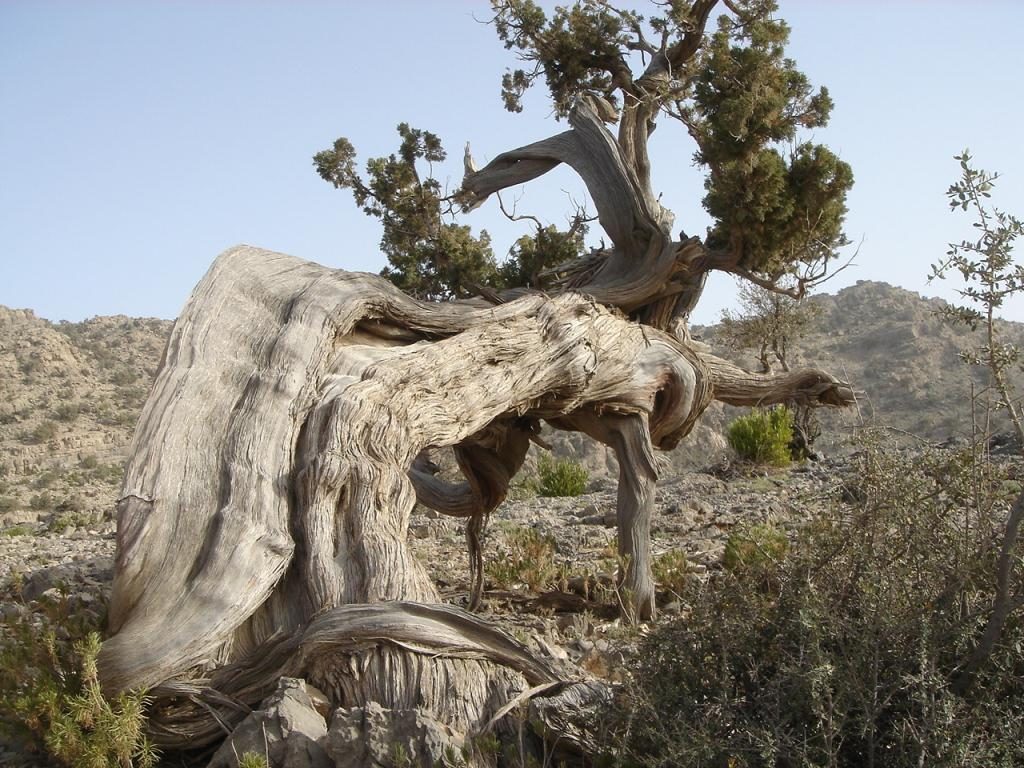
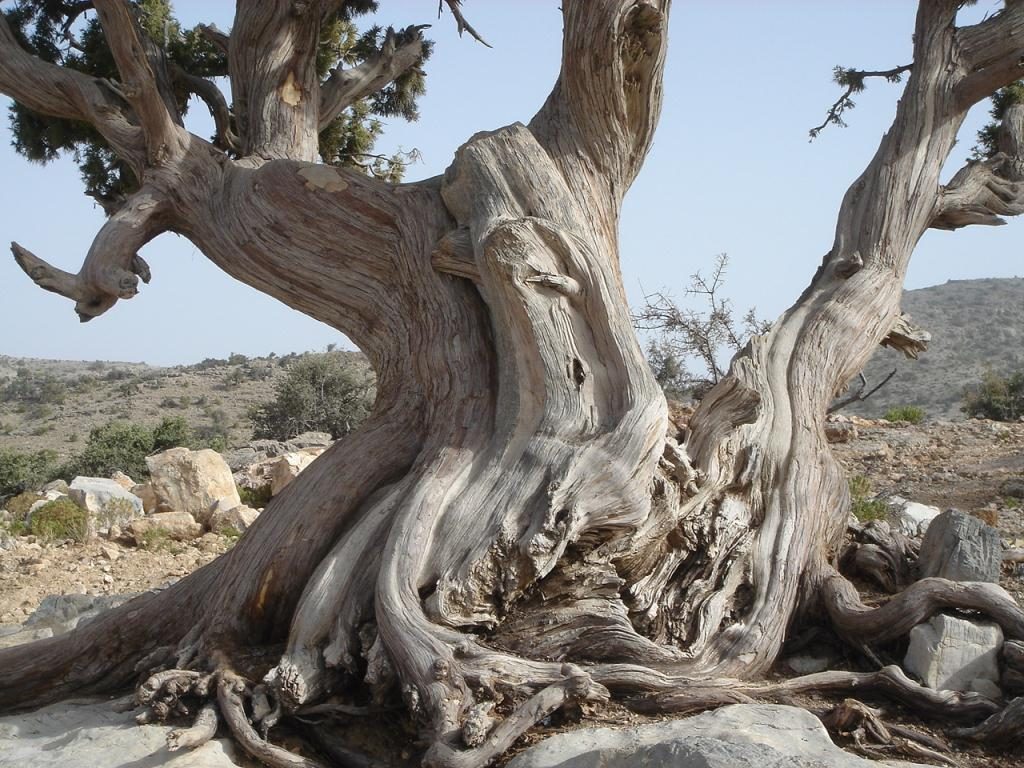
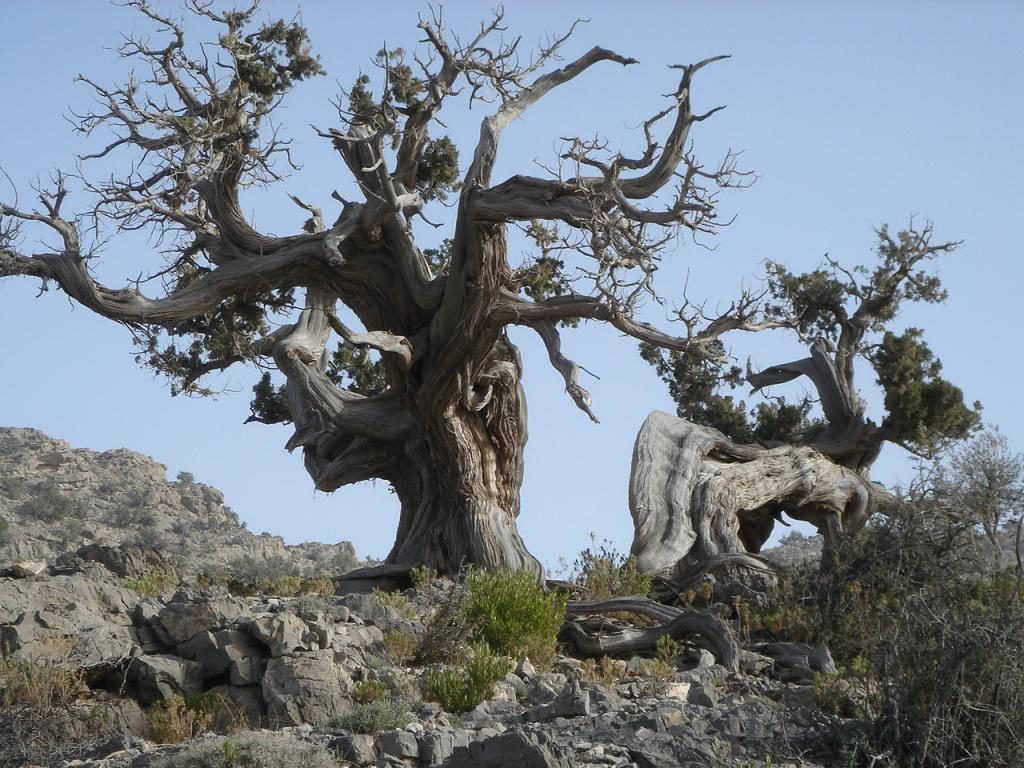
Jebel Akhdar: although not located in the UAE and – in theory – not meant to be on this website, I cannot withstand the urge to highlight our trip to this mountain: memorable in all sorts of ways and not in the least because of the magnificent Juniper trees (locally known as Al`Alan).
The Hajar mountains are rich in plant life compared to most of Arabia. The vegetation changes with altitude, the mountains are covered with shrubland at lower elevations, growing richer and becoming woodland, including wild olive and fig trees between 1,100 to 2,500 m.
And then …. there are the juniper trees: some of them centuries old, weathered and with white, gnarled, dead looking stems. They grow only 5 cm a year.
Above 2000m, the mountain slopes are dotted with them; ancient specimen of the Juniper Excelsa compete with each other for having the most exceptional shape.
The tree leaves are needle shaped and have a wonderful resinous smell.
Unfortunately the Juniper is in decline. In the last ten years, modern road access has led to rapid degradation of the habitat. Mass tourism has had its impact. Campers and construction workers have chopped down centuries old trees for campfires.
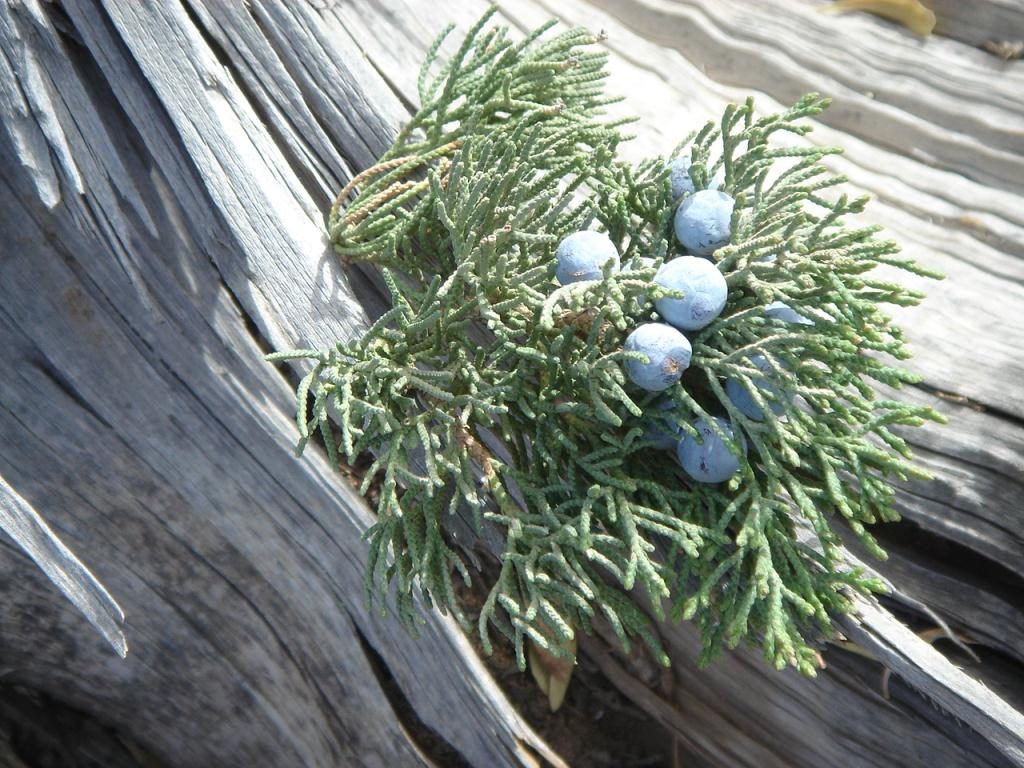
We were lucky to find a tree with berries: they were the female “fleshy” purple berries (male cones are brown).
These berries are edible.
The foliage is used as an ingredient in locally produced massage oil
The post Juniper trees appeared first on Dubai Hiking.
]]>