Forget the coastal glamour and the relentless desert heat of Dubai. For the discerning traveler seeking profound beauty, ancient culture, and true respite, there is a spectacular escape waiting high in the Omani mountains: Jebel Akhdar. Known locally as the 'Green Mountain' (Jebel Akhdar), this is not just a trip; it is a deliberate shift in pace—trading the rush of the metropolis for the slow, profound rhythm of ancient agriculture and majestic cliffs.
If your soul yearns for mist-draped valleys, the scent of blossoming Damask roses, and the crisp alpine air that promises deep tranquility, Jebel Akhdar is your ideal weekend sanctuary. This guide is crafted specifically for the sophisticated Dubai traveler who wants maximum experience with minimal friction, transforming a simple weekend getaway into a deeply enriching cultural immersion.
Part I: The Journey – Dubai to the Green Mountain (Logistics Deep Dive)
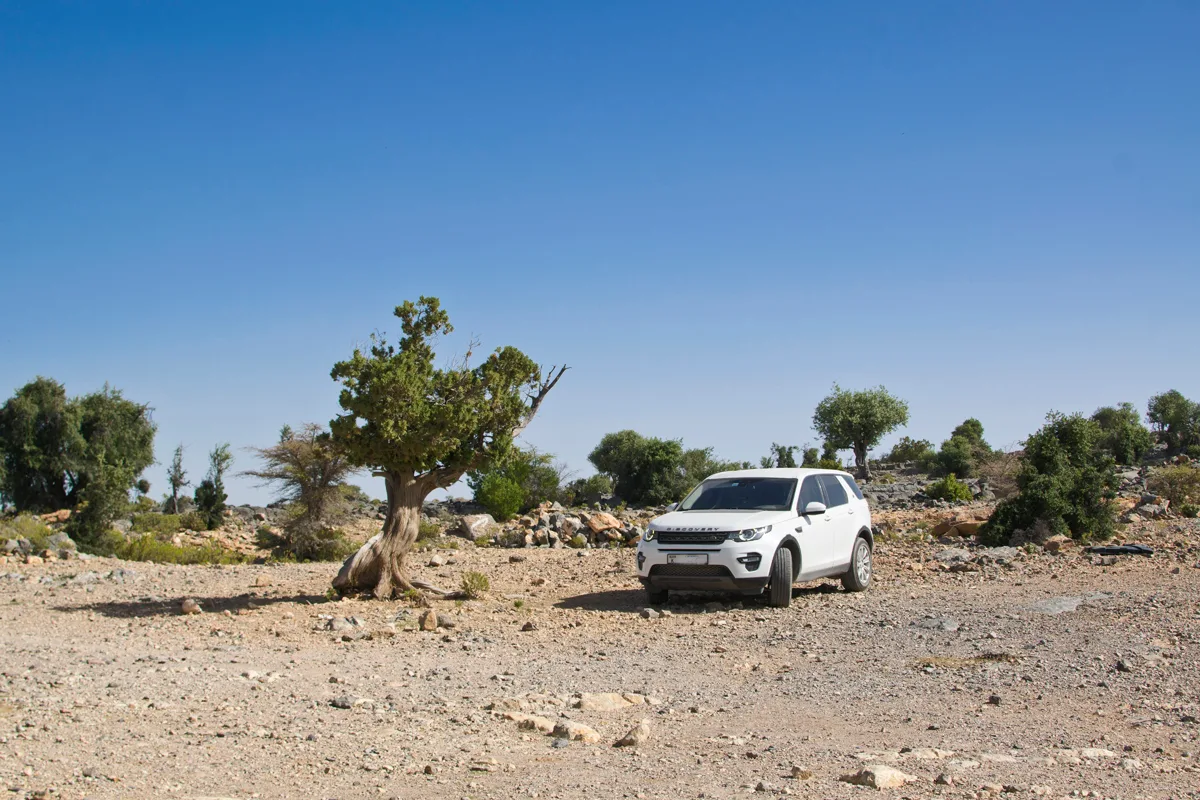
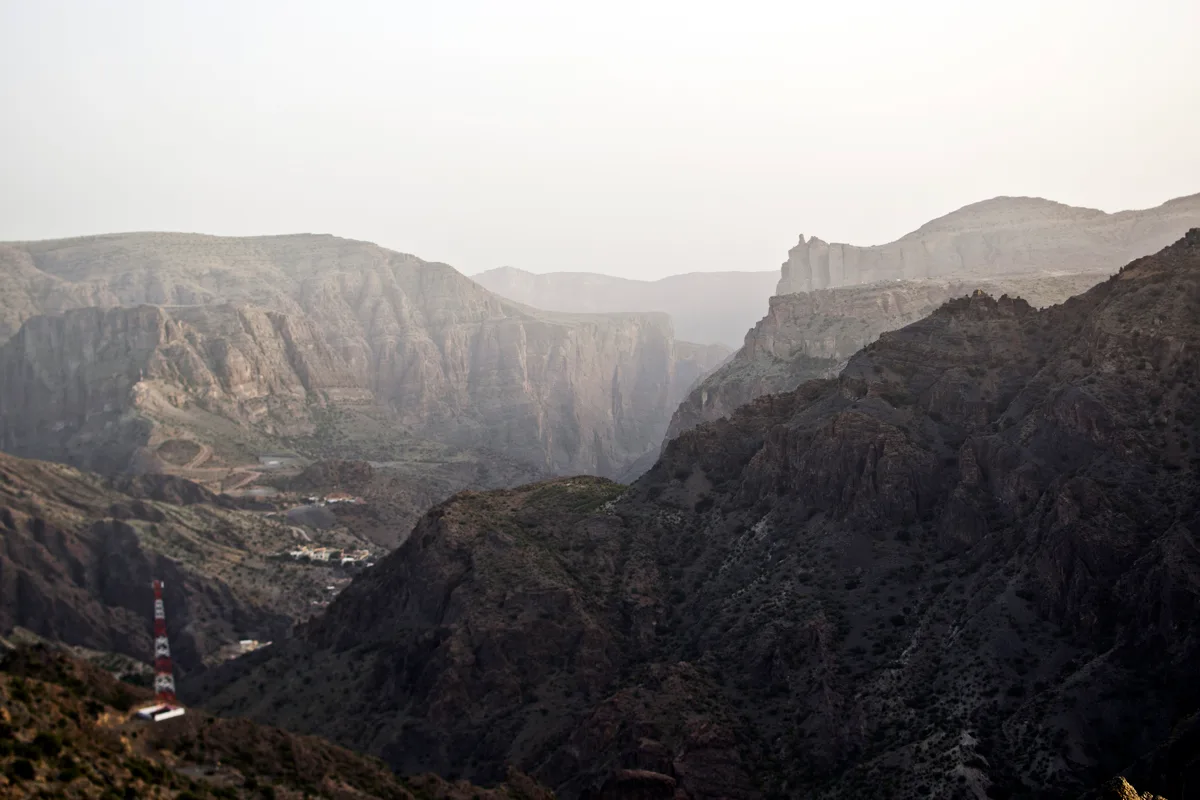
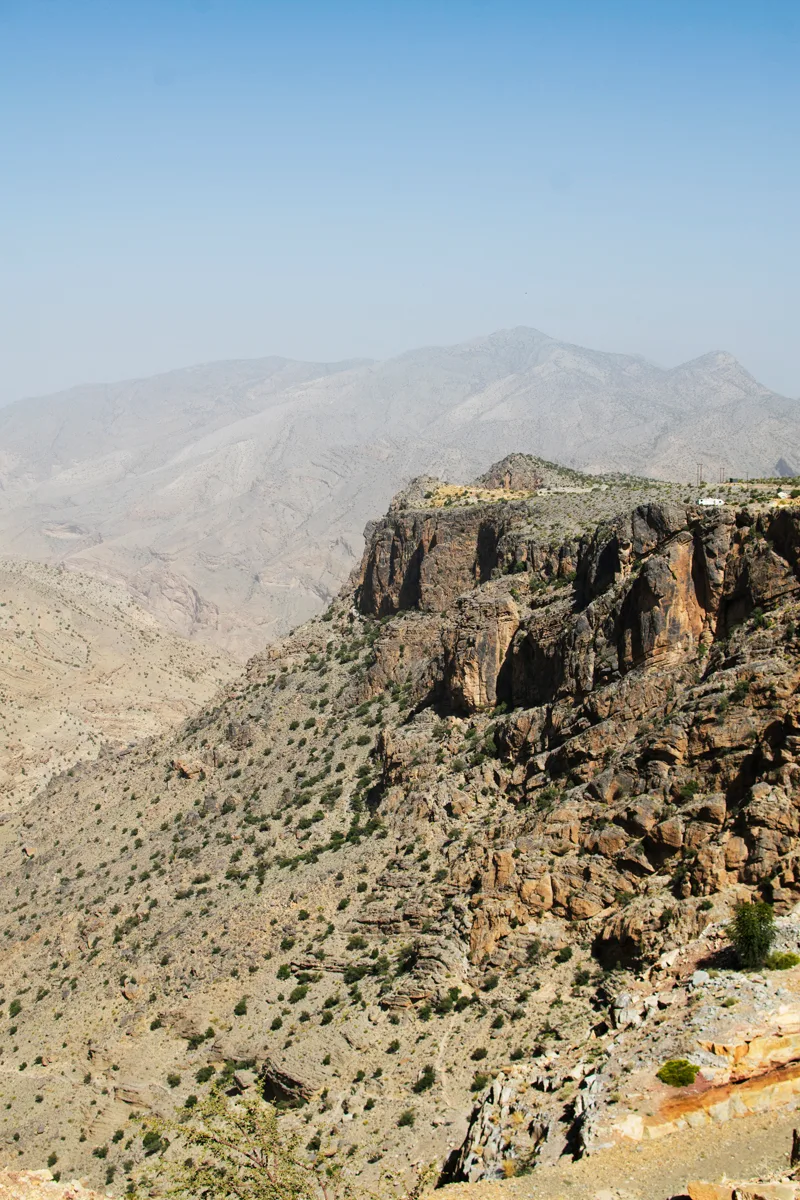
The drive from Dubai is an adventure in itself, a transition from the modern Gulf state into the rugged majesty of the Hajar Mountains. While it is a longer journey, it is absolutely worth the scenic payoff.
The Mandate: Why a 4x4 Is Non-Negotiable
The most critical piece of information you must heed before booking: A robust 4x4 vehicle is mandatory. While the main highway approach is manageable, the final ascent and exploratory drives through the mountain terrain demand all-wheel drive and high ground clearance. Attempting this journey in a standard sedan is risky and impractical, requiring you to spend time and money hiring local taxis at the foothills—a detour that diminishes the luxury experience.
Step-by-Step Weekend Transit Plan
- Total Journey Time (Driving): Expect 4 to 6 hours of driving time, depending on traffic, border efficiency, and desired stops.
- Route Overview: You will primarily be heading north/east out of the Emirate of Dubai, traversing towards the Oman border and then routing inland towards the Ad Dakhiliyah Governorate.
- Border Crossing (UAE to Oman): The crossing is relatively standard but requires diligence.
- Documentation: Carry physical copies of your passport and confirmed hotel or accommodation reservations.
- Visa: While some nationalities may qualify for visa-on-arrival, obtain the appropriate Oman e-visa before your trip to avoid delays.
- Checkpoints: Prepare for standard border procedures with Omani officials. Ensure your 4x4 vehicle is properly documented and insured for international travel.
- Checkpoint & Final Ascent: Once across, the journey continues through varied landscapes until the steep ascent to Jebel Akhdar. Your local guide or driver will navigate the most scenic and challenging sections.
Pro Tip: For a low-stress trip, pre-book a dedicated 4x4 transfer service. This handles border crossings, vehicle management, and direct arrival at your mountain retreat.
Part II: The Jebel Akhdar Immersion – The Green Heart of Oman
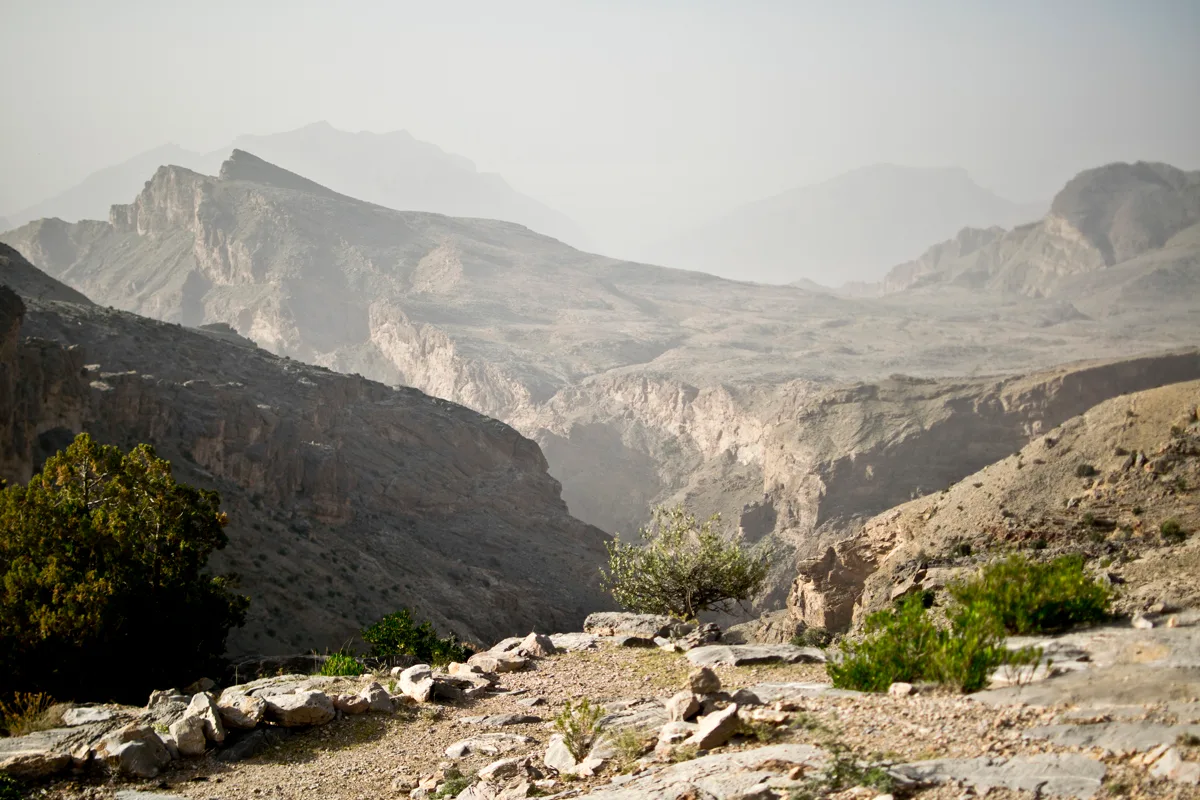
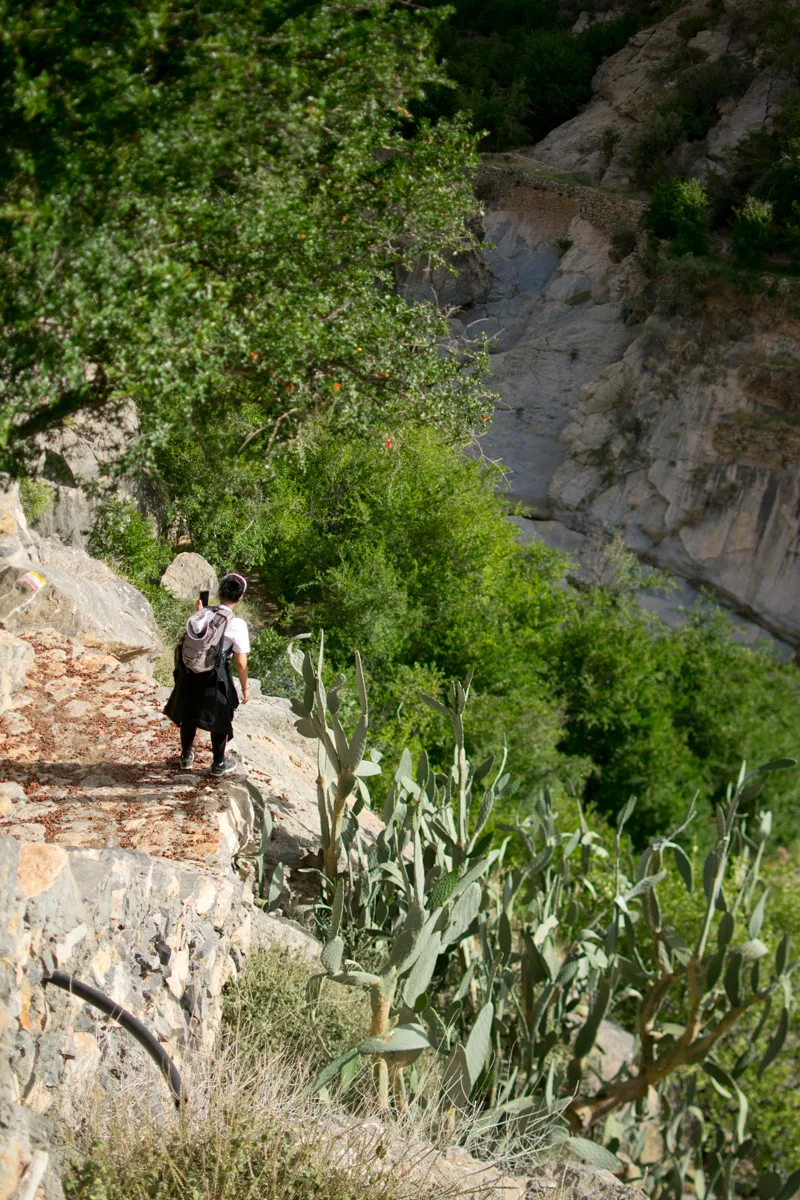
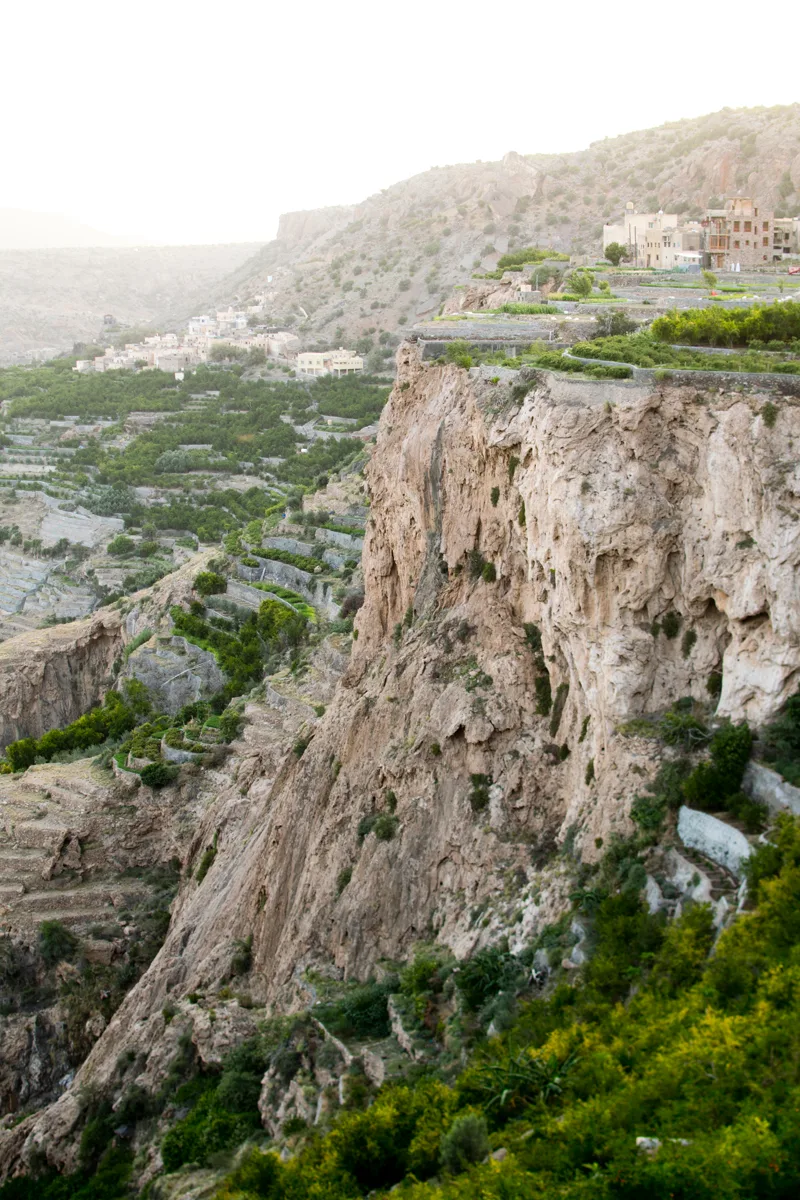
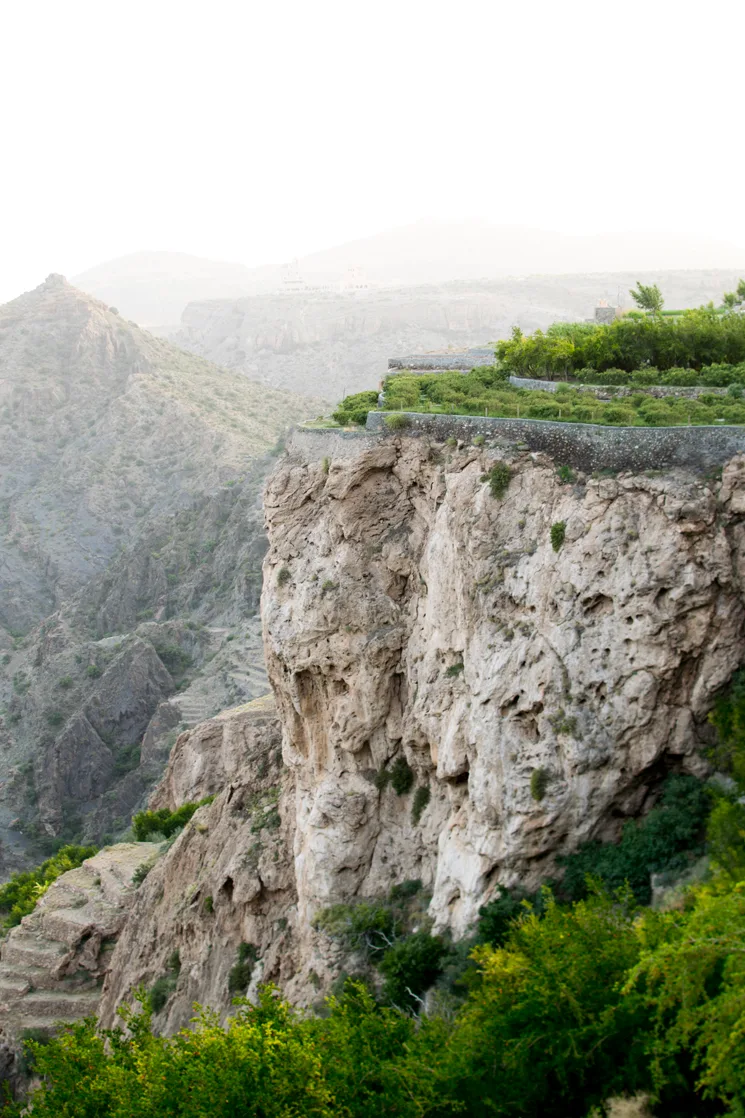
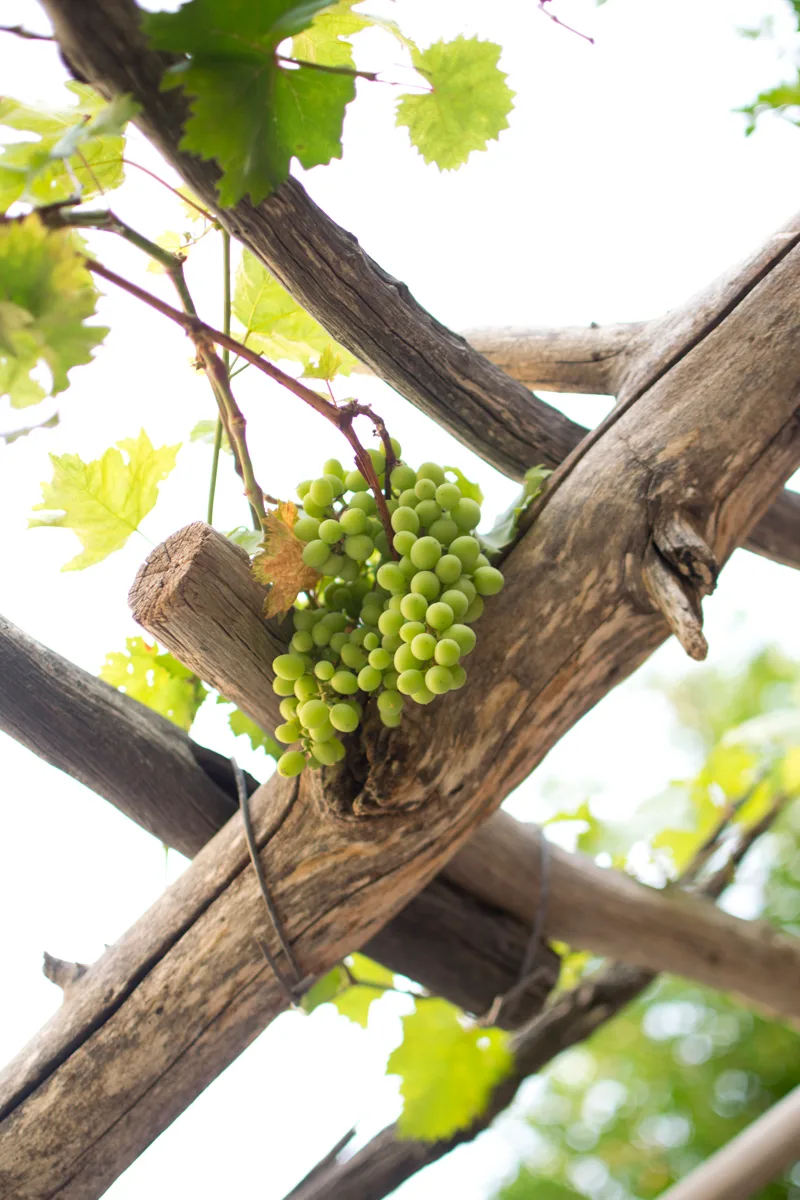
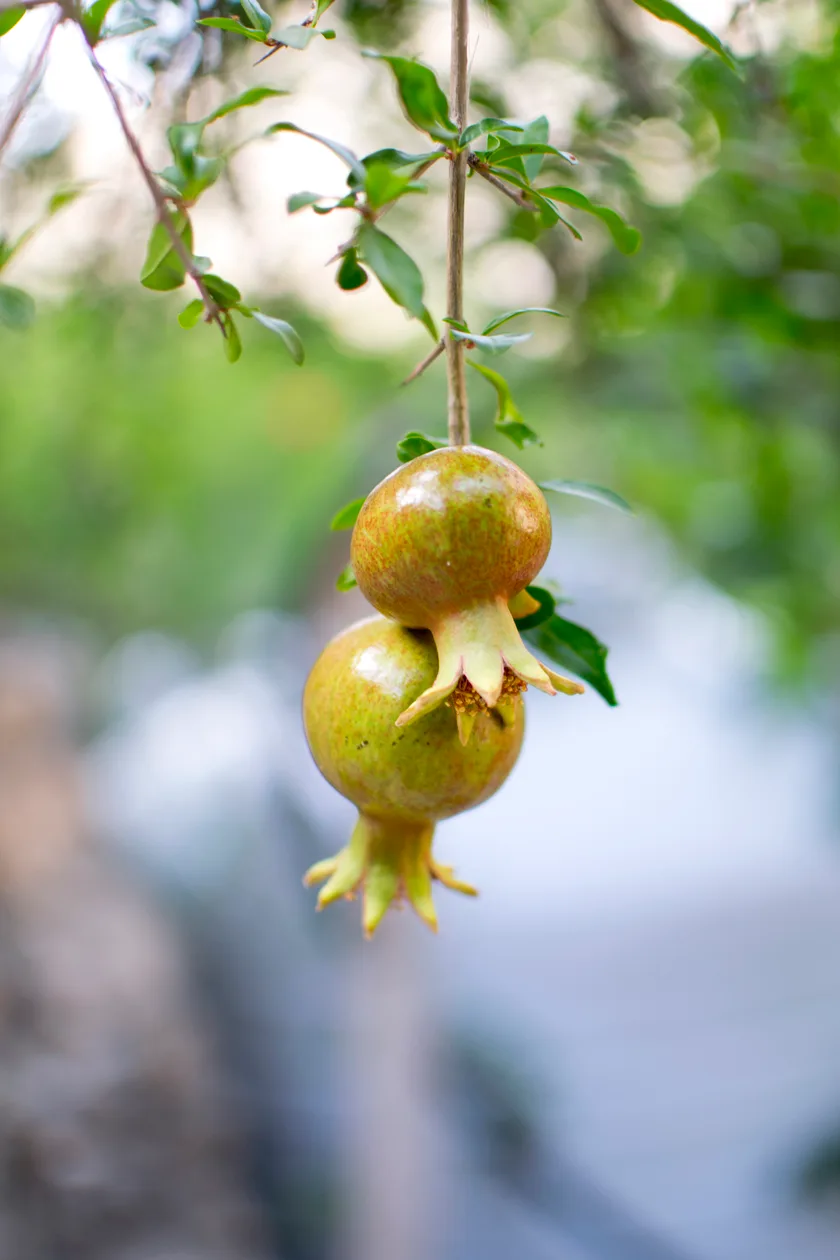
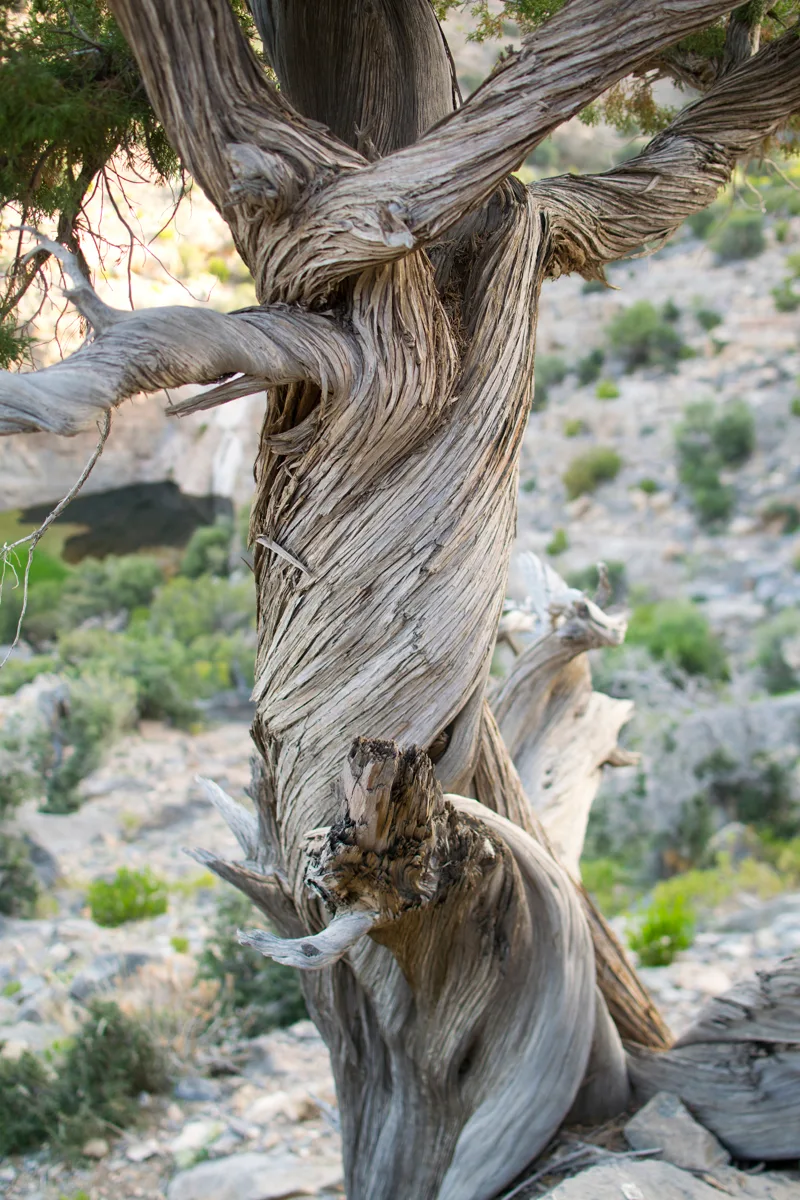
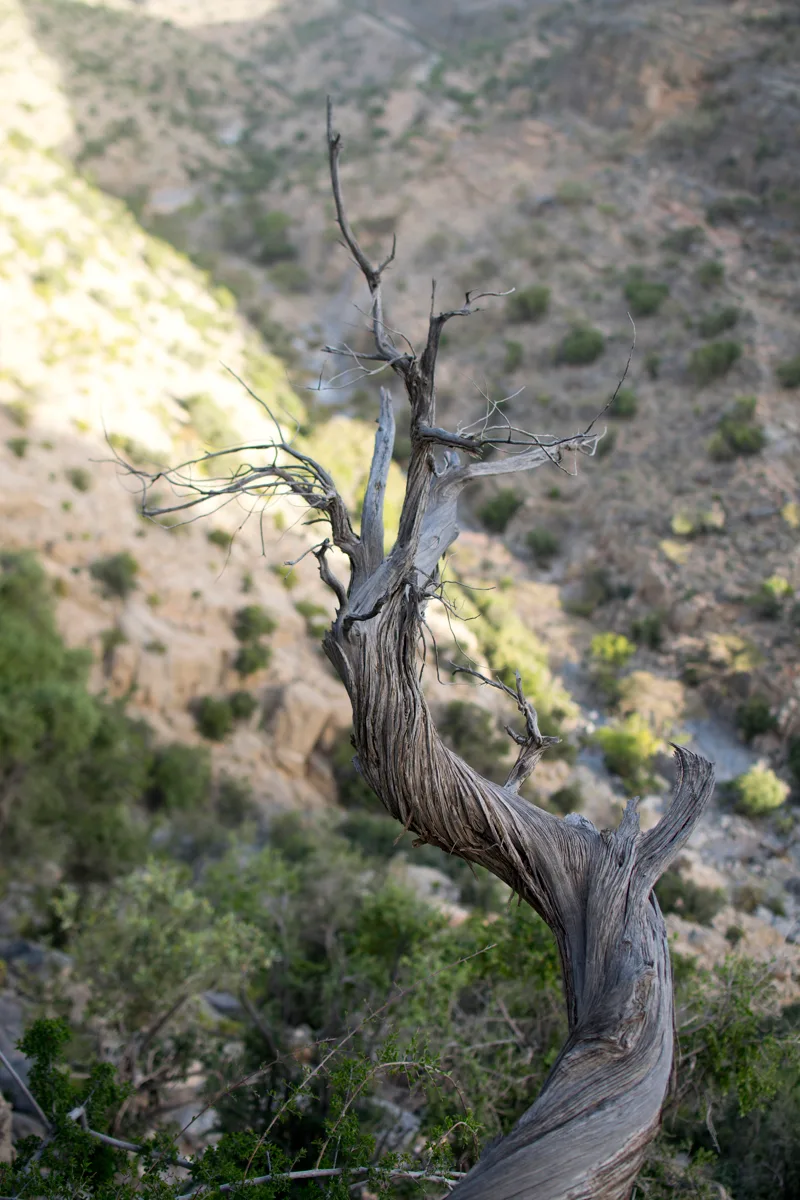
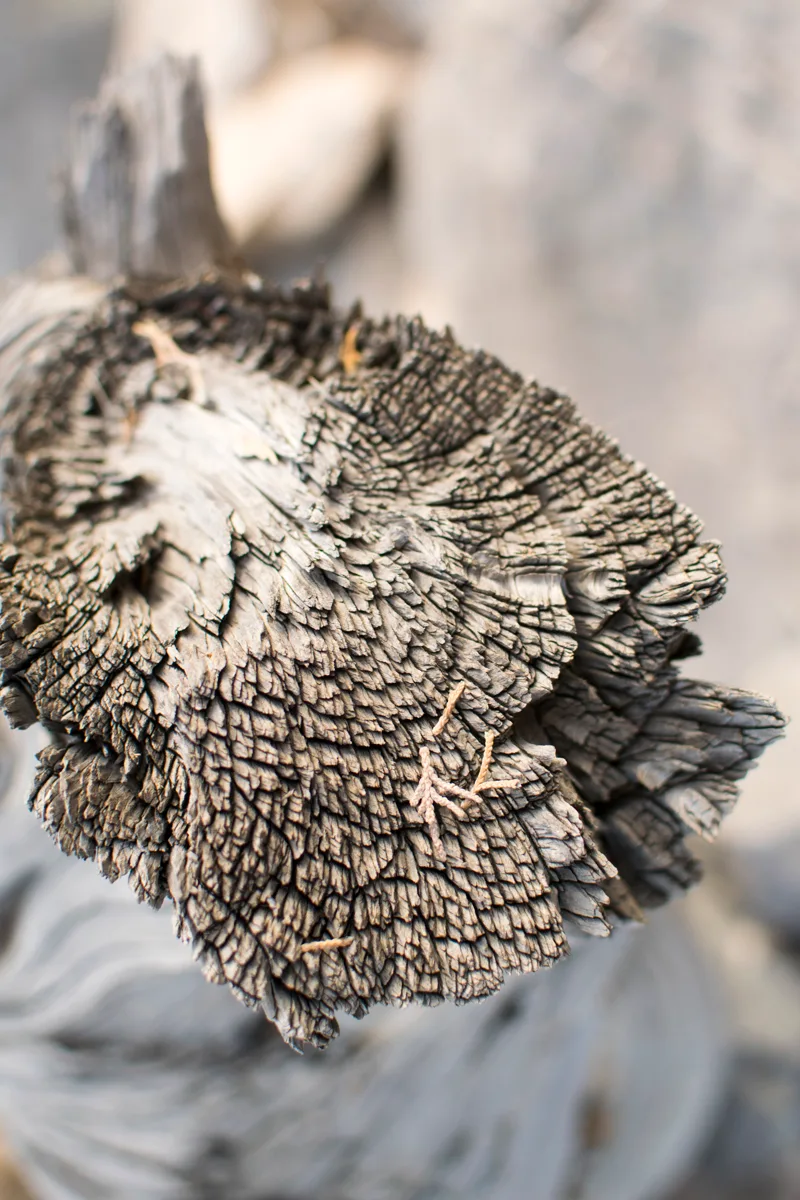
Jebel Akhdar is more than just a scenic viewpoint; it is a historical ecosystem, a living testament to millennia of human ingenuity battling the arid landscape.
The Concept of the Green Mountain
The mountainous terrain, designated as "The Green Mountain" (Al-Jabal Al-Akhdar), is maintained by a delicate balance of ecology and ancient engineering. Historically, and seasonally, this area transforms into a vibrant patchwork quilt of terraces.
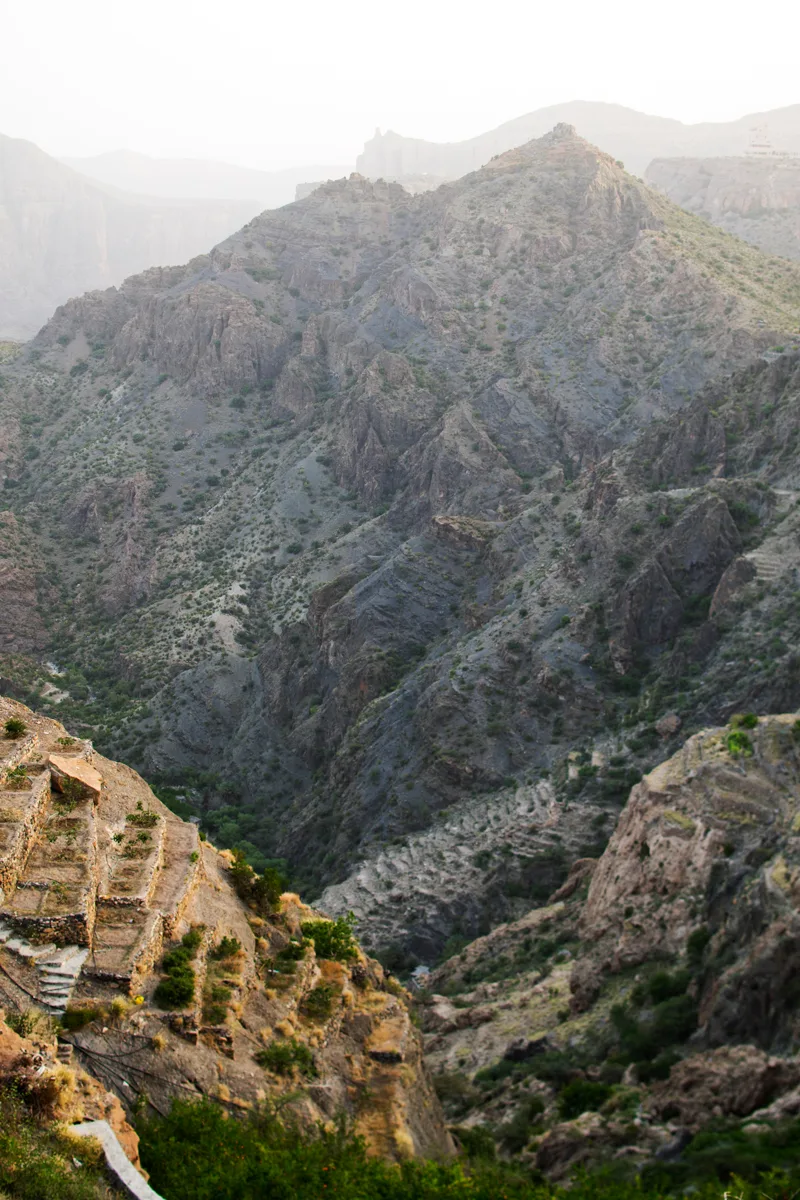
- Terraced Farming: Farmers have carved and maintained sophisticated terraces into the steep slopes. These terraces are where the mountain yields its bounty—ranging from luscious pomegranates and apricots (especially during harvest season) to fragrant Damask roses.
- The Falaj System (UNESCO Heritage): The lifeblood of this green paradise is the Falaj system. These are ancient, gravity-fed irrigation channels, hand-carved into the rock or constructed from stone, that draw spring water deep within the mountain and transport it down to the agricultural plots. This UNESCO World Heritage system is not a relic; it is a fully operational mechanism, a perfect example of sustainable community engineering.
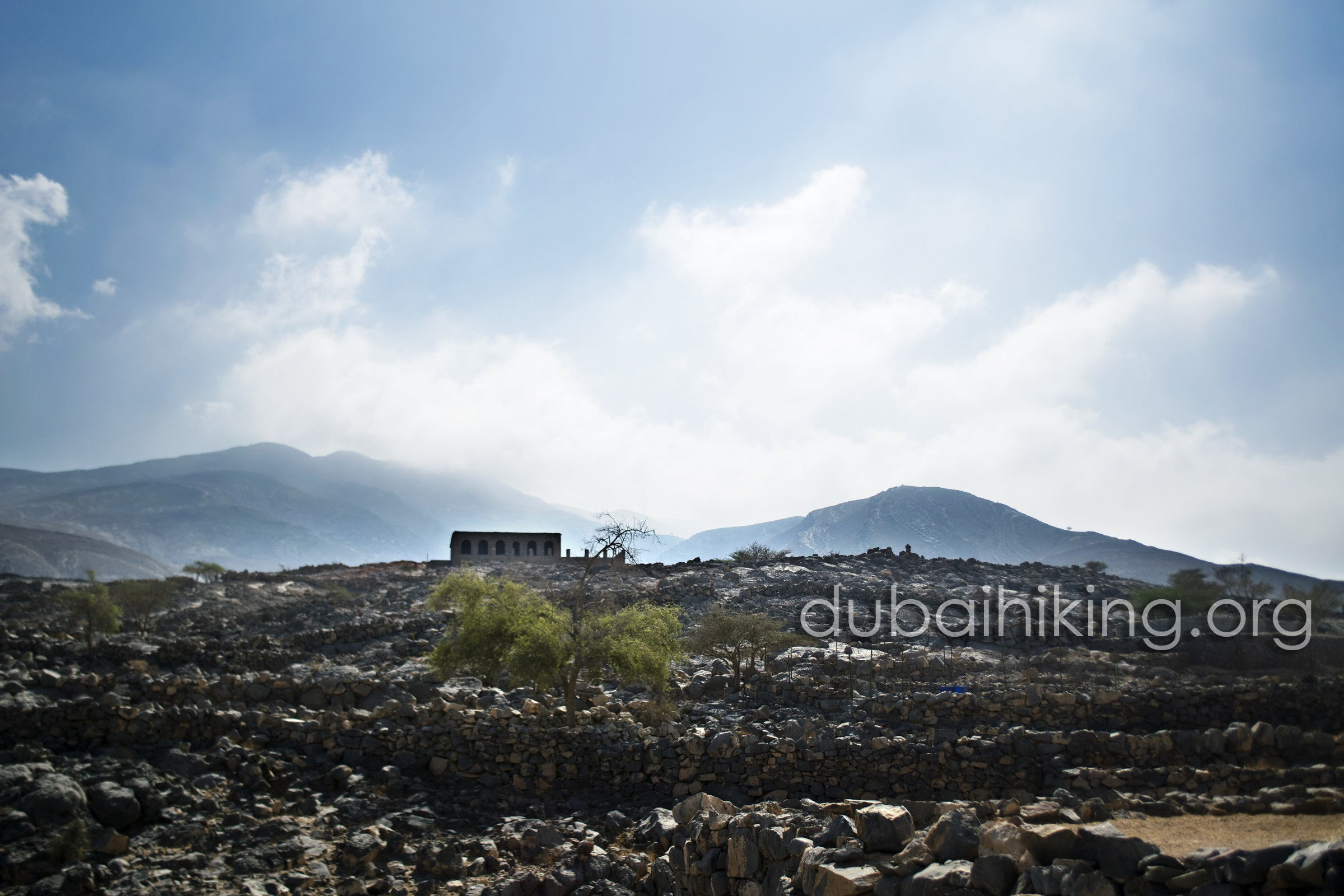
- Villages and Roots: Villages such as Al Ayn, As Sah, and Shuraijah are ancient stone-clad settlements clinging to the ridges. These communities have been stewarded by the local Bani Riyam tribe for generations, embodying a deep connection to the land. Walking through these villages is a journey back in time.
The Rose Blossom Spectacle
Jebel Akhdar is renowned globally for its rose cultivation. During the short floral window (typically April), the hillside terraces bloom with exquisite Damask roses. These are harvested before the heat causes the petals to wilt, producing the region's highly prized rose water and essential oils—a signature scent of the mountain.
Part III: Taste of the Mountain – Culinary Delights
The cuisine here is defined by its location: fresh, robust, and deeply anchored in Omani tradition. Forget heavily spiced mainland fare; Jebel Akhdar is about the earth and the harvest.
- The Harvest Plate: Meals are characterized by the stunning produce of the terraces. Expect to see the exquisite depth of fresh pomegranates, sweet apricots, and mountain walnuts featured prominently.
- Local Specialties: Look out for traditional Omani stews and breads cooked using mountain herbs. The distinct flavor profiles of the Damask roses often infuse into local desserts, providing a uniquely aromatic sweetness.
- The Dining Experience: To experience the true luxury, seek out a high-end resort restaurant specifically designed to showcase this produce, pairing simple, perfect ingredients with stunning views. For a rustic touch, ask local guesthouses where they source their produce.
Part IV: Resting in the Peaks – Accommodation Tiers
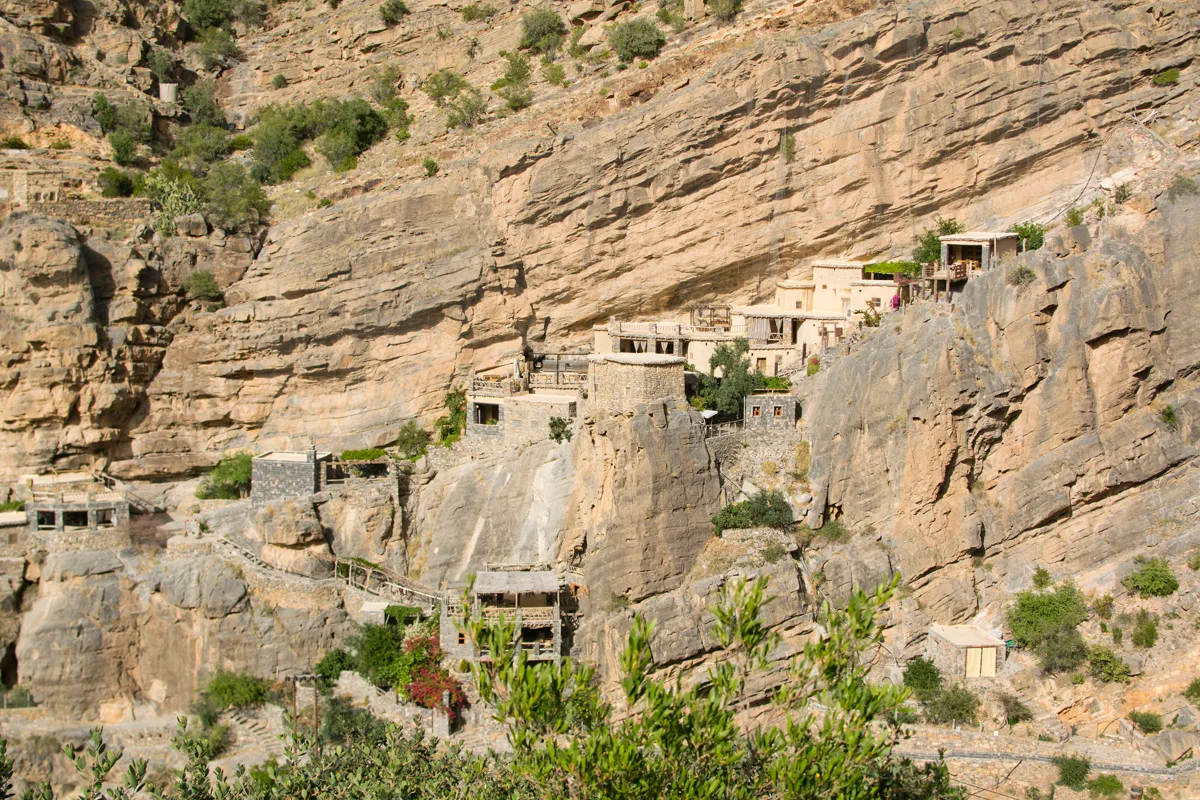
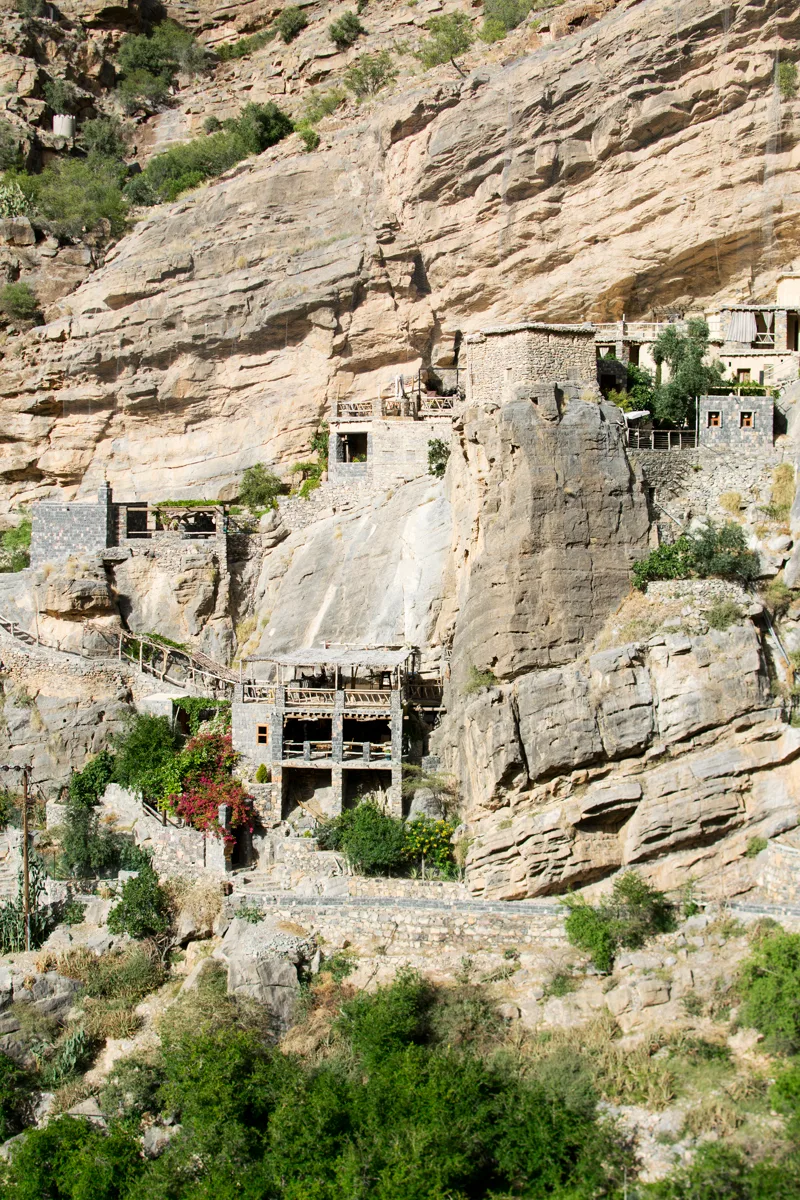
Jebel Akhdar offers lodging that caters to every inclination, from extravagant opulence to authentic rustic simplicity.
- Luxury Resort (The Zenith): For a truly indulgent experience, resorts like Anantara Al Jabal Al Akhdar provide unparalleled service, breathtaking cliffside views, and state-of-the-art amenities. This is the peak of the "mountain escape" ideal.
- Mid-Range Homestay (The Authentic): For a deeper cultural dive, opting for an established guesthouse within a traditional village (such as Al Ayn) offers charm, local interaction, and a sense of genuine Omani life, without sacrificing modern comforts.
- Budget/Local (The Adventurer): This option is reserved for the hardy explorer, involving camping in designated secure spots near the plateaus. This route is rougher but offers supreme immersion and connection with the raw landscape.
Part V: Activities & Amusements – Exploring the Hajar Landscape
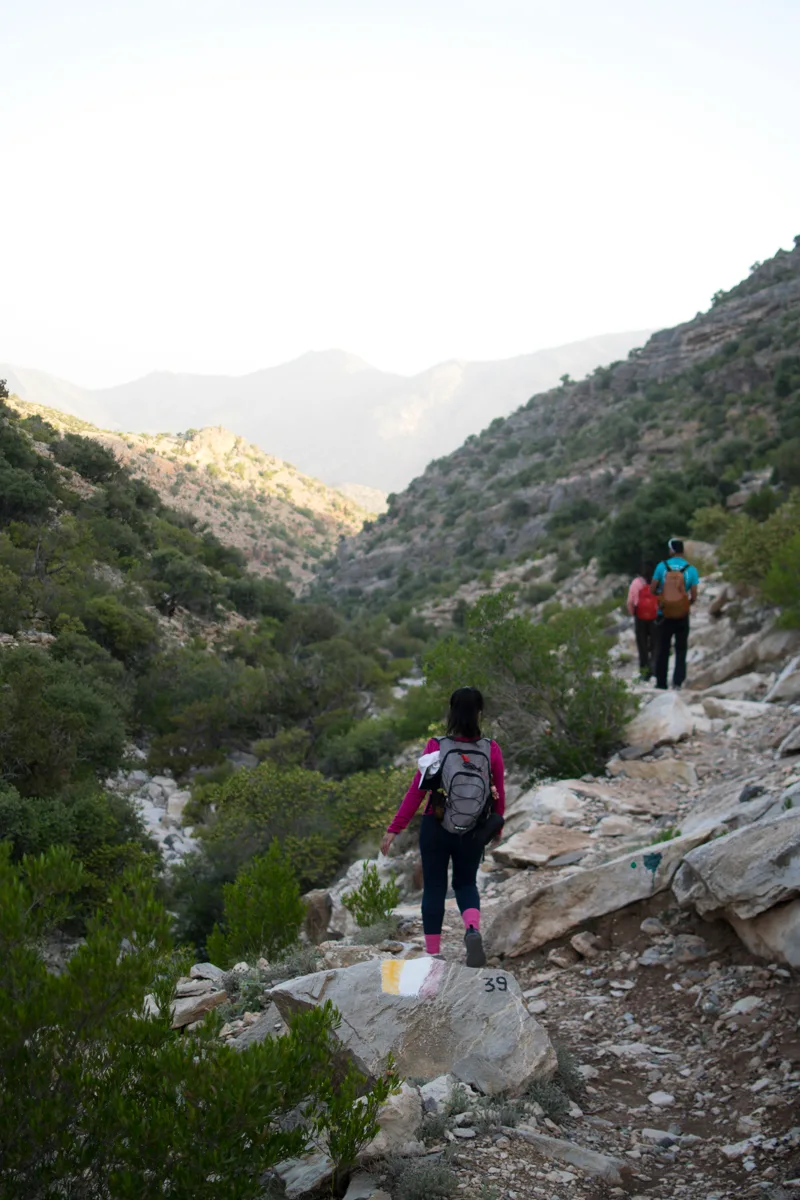
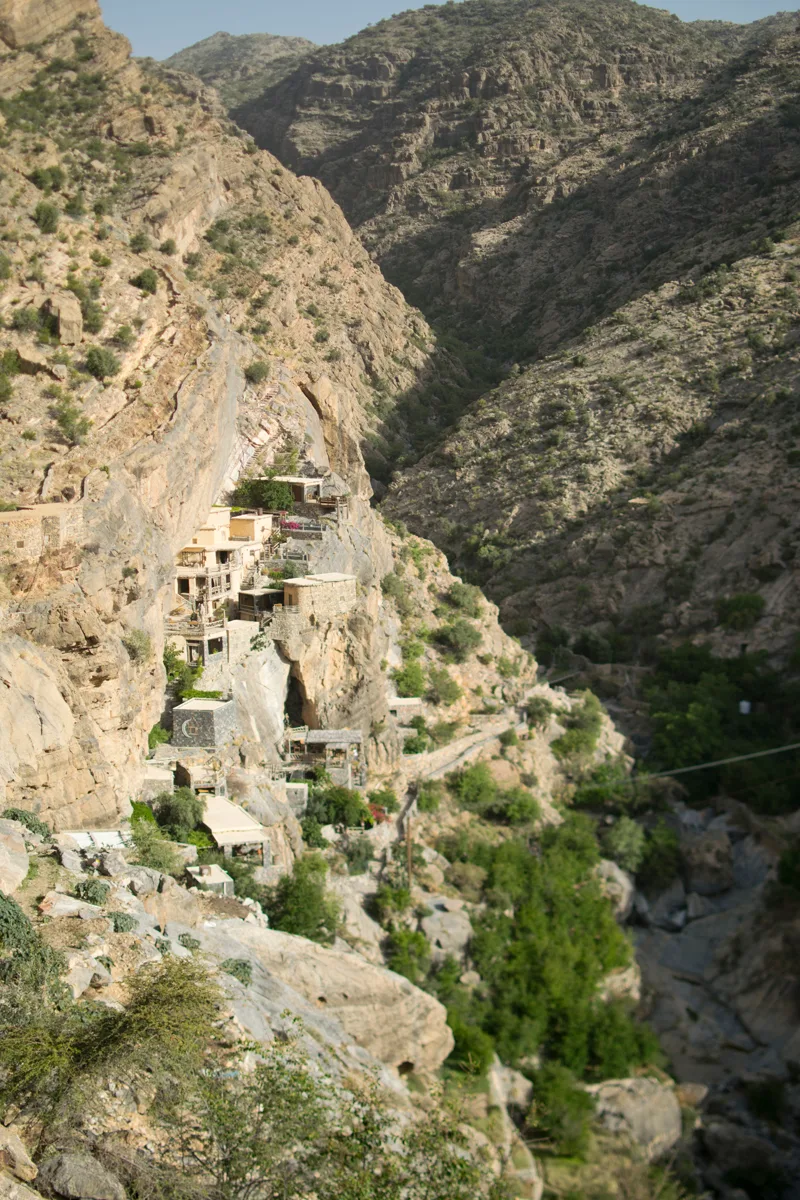
The mountain offers both restful contemplation and exhilarating physical challenge.
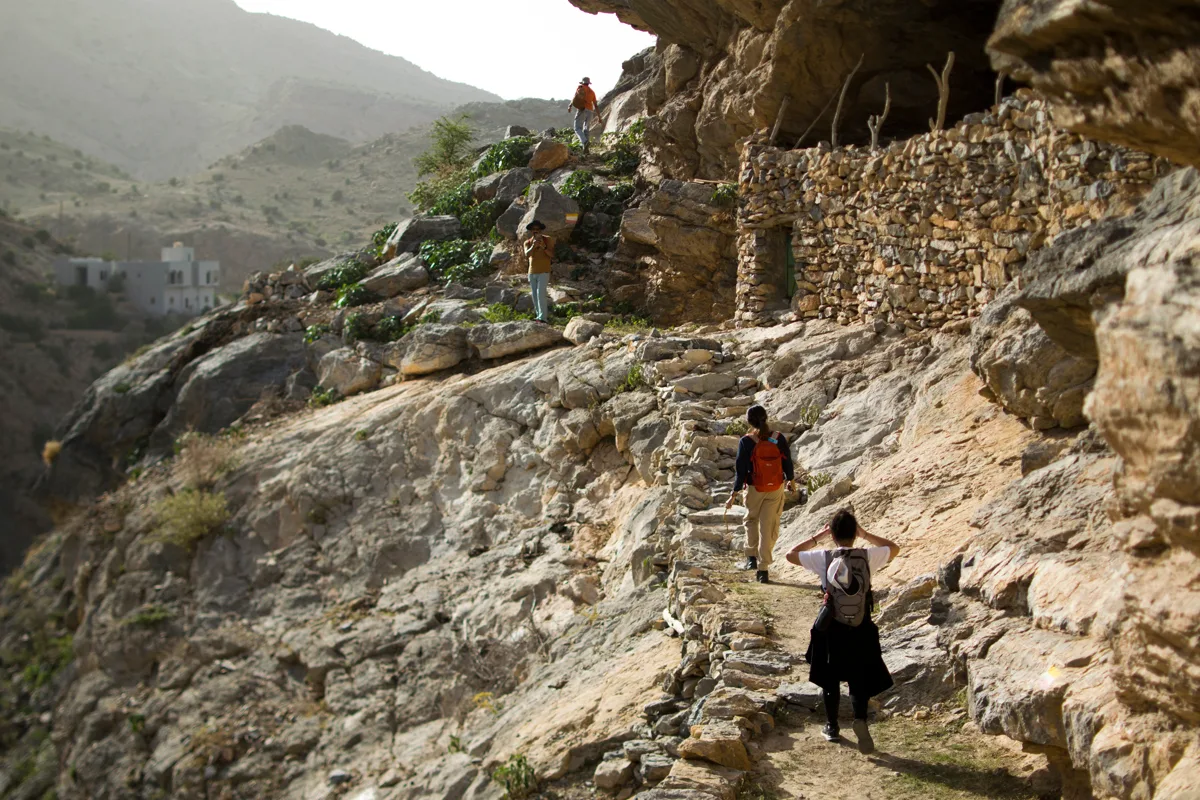
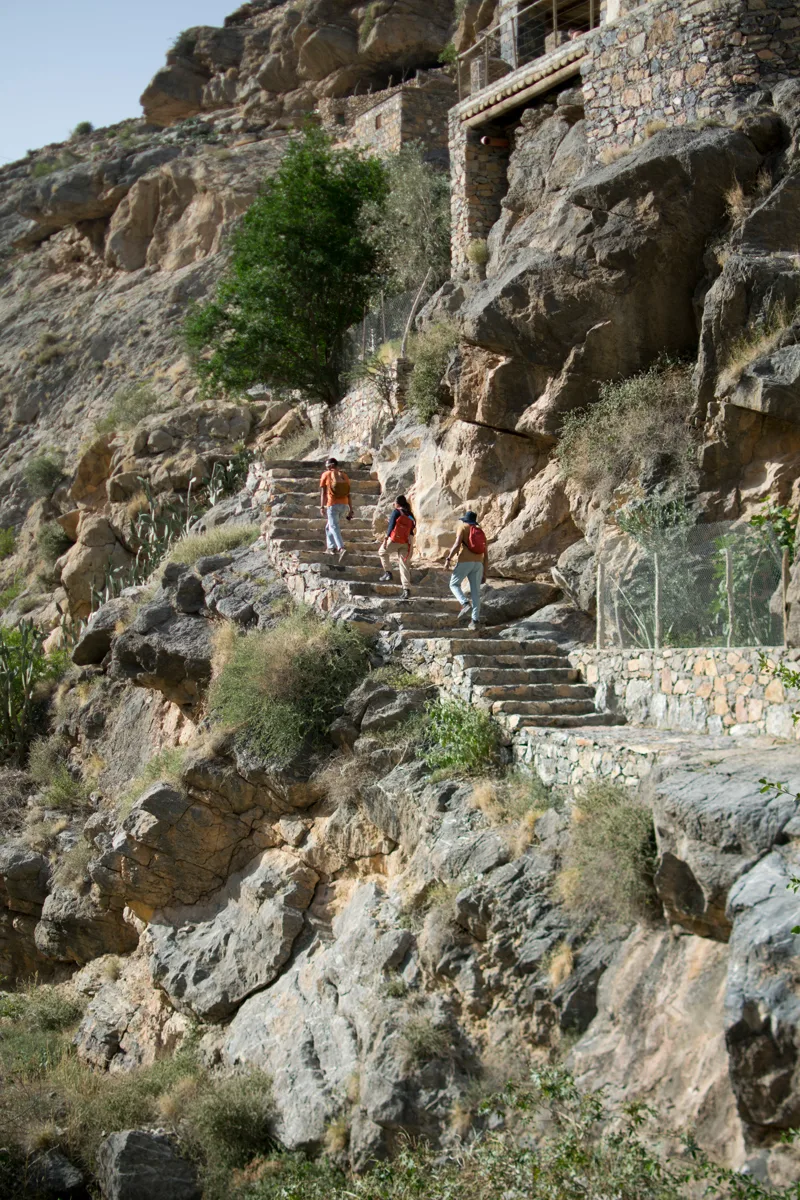
- The Hiking Trails: For the active traveler, the trails—such as those near Wadi Bani Habib—are a perfect marriage of physical challenge and natural beauty. These hikes take you along paths used by farmers for generations, offering views that drop hundreds of meters into vivid canyon floors.
- Scenic Viewing: Simply traversing the old village paths between terraces is an activity in itself. Stopping at viewpoints allows you to absorb the vast expanse of the Hajar Mountain range, watching the subtle colors shift from emerald green to ochre with the changing light.
- Cultural Walks: Taking a guided walk through the villages is essential. Here, you can witness local farmers tend their terraces and gain insight into the complex water management practices of the Falaj system firsthand.
- The Pace: Remember, Jebel Akhdar rewards slow exploration. Allow time for observation, sitting at a viewpoint, and soaking in the silence.
Part VI: The Essential Itinerary – Friday PM to Monday AM
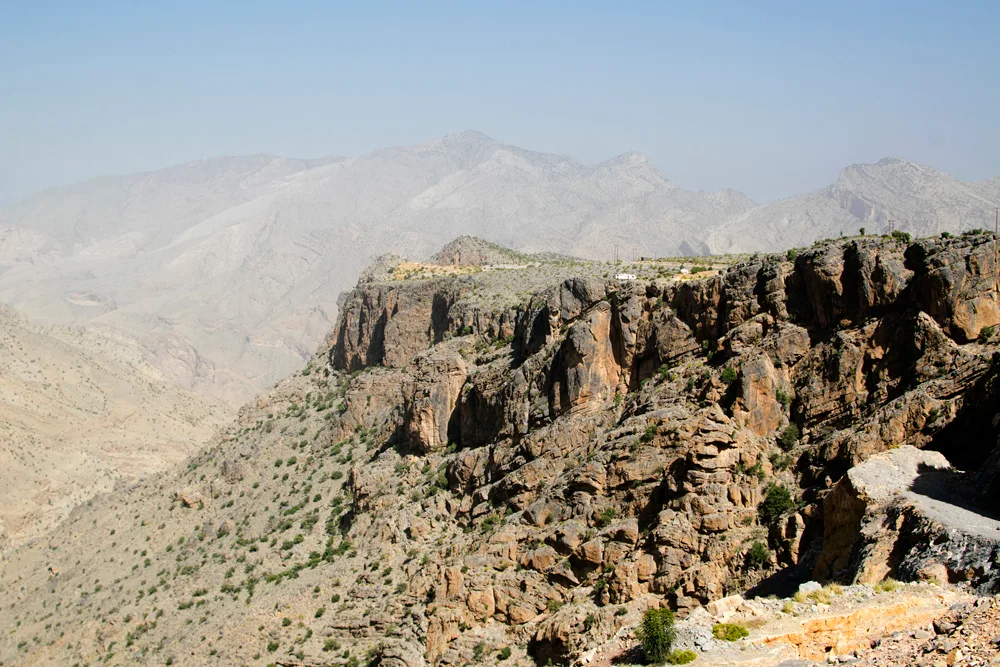
This itinerary is designed for the luxury/immersive blend weekend, optimizing the 4x4 transfer time.
- FRIDAY PM: The Ascent & Arrival (4-6 Hours):
Activity: Depart Dubai in the late afternoon. Enjoy the transition through the varied landscape. Goal: Complete the drive, cross the border, and settle into your chosen accommodation. Evening: Dinner with a sweeping mountain vista, focusing on regional produce. A warm cup of Omani coffee under the cold, starry sky.
- SATURDAY: The Heart of the Mountain (Full Day):
Morning: Strategic hike or village walk. Focus on an ancient village (e.g., Al Ayn) to witness the architecture and observe the terraces being tended. Afternoon: Exploration of the agricultural abundance. Tour a pomegranate or rose orchard (seasonal). Evening: Relaxing. Enjoy the cooling mountain climate, perhaps watching a local agricultural demonstration as the sun dips.
- SUNDAY: Adventure & Perspective (Full Day):
Morning: A focused excursion—perhaps a trek through an associated gorge (like Wadi Bani Habib). This provides a contrast to the plateau life. Mid-Day: Cultural dive. Learning more about the Falaj system's mechanics and the history of the Bani Riyam people. Evening: A celebratory dinner, savoring the peak of the mountain experience before the descent.
- MONDAY AM: Descent & Return:
Activity: Enjoy a final, slow mountain breakfast. Begin the scenic descent back towards the border checkpoint, timing the drive to ensure you arrive back in Dubai with the late afternoon sun.
Part VII: Survival Guide – Tips & Tricks
Packing for Extremes (Layering Is Key)
The climate swing is massive. Dubai heat gives way to mountain cool.
- Attire: Pack layers. Light T-shirts for the sun, but carry sweaters, fleeces, and a durable, windproof jacket for evenings and mornings. Comfortable, sturdy hiking boots are essential.
- Essentials: High-quality water bottle and high-SPF sunscreen (even at altitude).
Safety and Navigation
- Navigation: Do not rely solely on cellular service in the remote valleys. Download comprehensive offline maps of the Hajar Mountains beforehand.
- Altitude: Take it easy on arrival. Altitude sickness is not common but can affect anyone, so avoid strenuous activity immediately upon arrival.
- Respect: You are in a working, ancient community. Be respectful of farmers, their land, and their traditions. Do not wander into private cultivated terraces without permission.
Climate Realities
Be prepared for dramatic temperature drops once the sun sets. The daylight can be surprisingly mild and beautiful, but the mountain night is brisk and demands proper insulation.