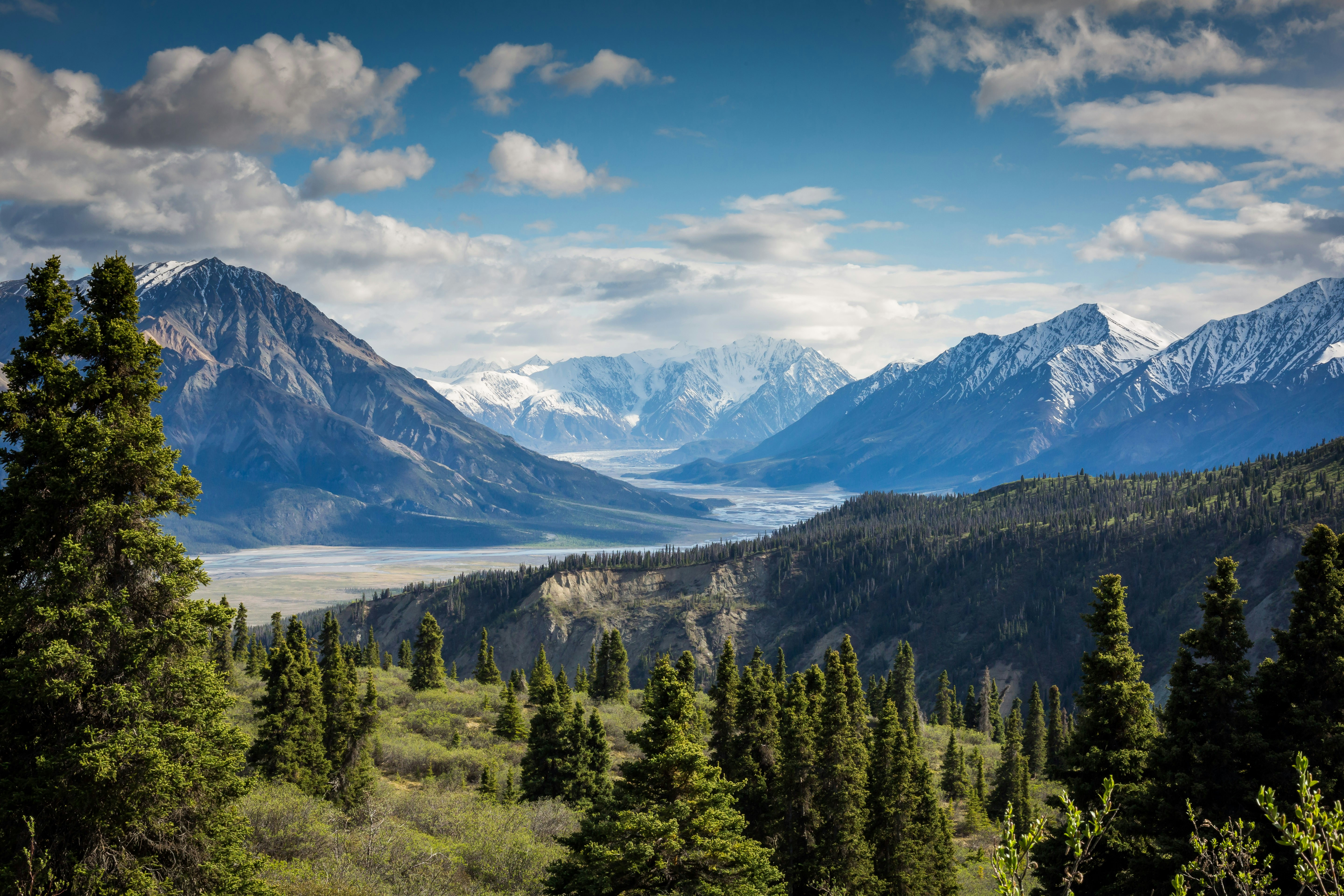
Jebel Akhdar is not located in the UAE and, strictly speaking, might seem outside the usual scope of this website. Yet it is part of the wider Hajar mountain story, and our visit was too memorable not to share.
The journey stood out for many reasons, but above all for the magnificent juniper trees known locally as Al Alan. Their pale, weathered trunks, twisted branches and stubborn presence on exposed slopes gave the mountain a character unlike anywhere else we had visited.
A note on the name
Older books and articles often identify Oman's high-mountain juniper as Juniperus excelsa or Juniperus excelsa subsp. polycarpos. Modern botanical sources generally accept the Omani population as Juniperus seravschanica.
A journey beyond the UAE
Jebel Akhdar lies in Oman's Western Hajar Mountains. Its elevation creates cooler conditions and supports vegetation that is noticeably richer than that of much of lowland Arabia.
The high plateau, deep valleys and terraced settlements already make the area remarkable. The juniper woodland adds another layer: a living remnant of a cooler mountain ecosystem at the southern edge of the species' natural range.
Some landscapes are remembered for a summit or a view. Jebel Akhdar stayed with us because of its trees.
Vegetation changes with altitude
The Hajar Mountains support a surprising variety of plant life. At lower elevations, open shrubland dominates the dry slopes. As elevation increases, cooler temperatures and greater moisture allow richer plant communities to develop.
Wild olive, fig and other hardy trees can occur in the mountain zone, alongside shrubs and plants adapted to thin soils, intense sunlight, irregular rainfall and strong winds.
At the highest elevations of the Jebel Akhdar–Jabal Shams range, junipers become one of the defining woody plants. They do not form a dense forest in the familiar European sense. Instead, they create open woodland, scattered across rocky slopes and plateaus.
The Al Alan juniper
Oman's native juniper, Juniperus seravschanica, is the country's only native conifer. The Omani population is isolated from the species' main distribution farther north across Iran, Central Asia, Afghanistan, Pakistan and the western Himalaya.
This isolation makes the high-altitude juniper woodland ecologically important. The trees provide shelter and habitat, contribute organic material to poor mountain soils and help define the appearance of the upper Hajar landscape.
Local knowledge also gives the tree cultural importance. Juniper wood and foliage have historically been associated with practical and traditional uses, including fuel, timber and local preparations.
Ancient trees with exceptional shapes
Many junipers appear extraordinarily old. Their trunks may be bleached, hollow, split or partly dead, while living foliage continues from a small section of branch.
Their shapes reflect decades or centuries of wind, drought, browsing, breakage and slow recovery. On exposed slopes, one tree may spread low against the rock while another twists upward in several weathered stems.
The statement that these trees grow exactly five centimetres per year is difficult to apply as a general rule. Growth varies with age, elevation, moisture, temperature, exposure and the condition of each tree. What is clear is that high-mountain junipers are slow-growing and cannot quickly replace mature trees that are lost.
Leaves, scent and berry-like cones
Juniper foliage consists of small scale-like or needle-like leaves with a distinctive resinous scent when gently rubbed. That fragrance is one of the easiest details to remember after standing beside the tree.
We were fortunate to find a tree carrying fleshy, purple, berry-like structures. Botanically, these are modified seed cones rather than true berries. Junipers commonly have separate male and female reproductive structures, with pollen cones and seed-bearing cones differing in appearance.
Do not eat wild cones based on appearance
Historical and ethnobotanical sources describe food or medicinal uses for some junipers, but identification, preparation and safety vary by species and tradition. Visitors should not collect or consume cones from wild trees without reliable local and botanical guidance.
We also heard that juniper foliage had been used as an ingredient in locally produced massage oil. This is best understood as a traditional local use rather than a recommendation for home preparation or medical use.
Why the junipers are declining
The juniper population of northern Oman is under pressure. Scientific studies describe poor regeneration, sparse foliage and dieback in parts of the woodland, particularly at lower elevations.
The decline cannot be explained by tourism alone. Research has examined a combination of pressures, including rising temperatures, drought, grazing, browsing, wood harvesting and limited establishment of young trees.
Better road access has brought more people into landscapes that were once difficult to reach. Tourism can create appreciation and economic value, but careless camping, driving, firewood collection and construction can damage the habitat.
A mature juniper that has survived for generations cannot be replaced within a few seasons. Cutting branches, lighting fires beneath trees or driving over root zones can cause damage far beyond the length of a visit.
- Climate warming
- Prolonged drought
- Poor seedling establishment
- Goat and livestock browsing
- Wood cutting and firewood collection
- Soil disturbance
- Unmanaged camping pressure
- Road and construction impacts
How visitors can help
The simplest rule is to leave the trees untouched. Do not cut branches, strip foliage, collect cones or use dead-looking wood for a campfire. A pale or partly hollow branch may still belong to a living tree.
Camp only where permitted, use a stove rather than gathering firewood and keep vehicles on authorised roads and parking areas. Avoid trampling young plants or compacting the soil around old trees.
Photograph, do not collect
The most respectful souvenir is a photograph. Leave cones, branches, foliage and fallen wood in the ecosystem where they continue to provide habitat and nutrients.
- Follow current reserve and access rules.
- Do not light fires near juniper woodland.
- Never cut living or dead-looking branches.
- Keep vehicles away from roots and young plants.
- Carry all rubbish out.
- Do not collect cones, wood or foliage.
- Support guides and operators who follow conservation practices.
A tree worth travelling for
Jebel Akhdar may sit beyond the UAE border, but its junipers belong to the larger ecological story of the Hajar Mountains. They show how dramatically altitude can transform an Arabian landscape.
Their beauty lies partly in their age and imperfection: white trunks, twisted stems, sparse foliage and shapes formed by years of survival.
We left with admiration, but also with concern. These trees grow too slowly and face too many pressures for visitors to treat them as firewood, decoration or a source of free souvenirs.
Ancient trees do not need our footprints, fires or collections. They need time, space and restraint.
Further reading
Botanical and conservation sources provide more information about the accepted species name, its restricted Omani distribution and the decline of the Jebel Akhdar–Jabal Shams juniper woodland.
- Kew Plants of the World Online: Juniperus seravschanica
- UNESCO: Al Jabal Al Akhdar Biosphere Reserve

DubaiHiking.org Editorial Team
DubaiHiking.org shares mountain stories, practical hiking knowledge and conservation-minded outdoor experiences from the UAE and the wider Hajar region.