Outdoor rock climbing combines physical strength, technical ability, judgement and respect for the mountain environment. The rocky landscapes of Ras Al Khaimah have helped a small but committed climbing community develop a growing collection of outdoor routes in the UAE.
These routes offer opportunities for adventure, but they also demand preparation. Outdoor climbing is not the same as climbing inside a controlled gym. Rock quality, fixed hardware, weather, access conditions and rescue options must all be considered.
Important safety notice
Rock climbing, belaying, rappelling and anchor use involve serious risks. This article is an introduction to the UAE climbing environment and is not a substitute for practical instruction. Beginners should climb with a qualified instructor or a demonstrably competent and experienced climber.
Courage must be accompanied by prudence
“Climb if you will, but remember that courage and strength are naught without prudence and that a momentary negligence may destroy the happiness of a lifetime. Do nothing in haste; look well to each step; and from the beginning think what may be the end.” — Edward Whymper
Whymper's warning remains relevant to every outdoor climber. Strength and confidence are useful, but neither can replace careful preparation, correct equipment, partner checks and disciplined decision-making.
On natural rock, conditions may be less predictable than they initially appear. A hold can break, an anchor can deteriorate, weather can change and a small communication error can have serious consequences.
Outdoor climbing should therefore be approached without haste. Climbers must examine the route, understand the descent, inspect the equipment and discuss the climbing plan before leaving the ground.
Ras Al Khaimah: the UAE's mountain emirate
Ras Al Khaimah is the northernmost of the seven emirates of the United Arab Emirates. Its name is commonly translated into English as “the top of the tent.”
The emirate covers approximately 2,486 square kilometres. Its landscape includes coastline, desert, agricultural plains, wadis and a dramatic mountain region connected geographically to the Musandam Peninsula and the wider Hajar Mountain system.
The northern and eastern areas of Ras Al Khaimah contain extensive rocky terrain. Mountain valleys, cliffs and ridgelines continue towards the border with Oman's Musandam Governorate.
Jebel Jais and the northern mountains
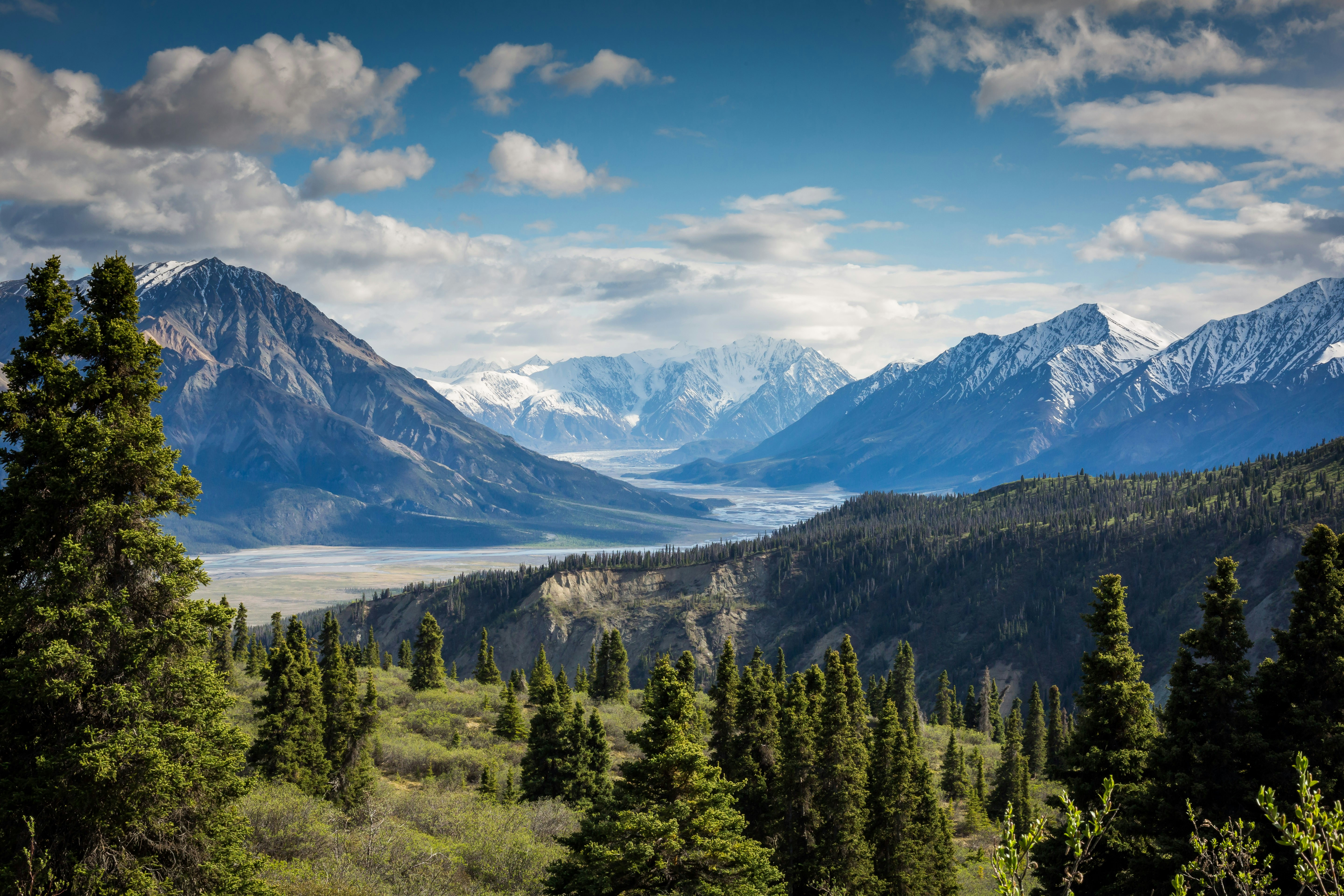
Jebel Jais is Ras Al Khaimah's most recognised mountain destination. At approximately 1,934 metres, it is regarded as the highest mountain in the UAE.
The mountain is part of the northern Hajar range and overlooks a complex landscape of ridges, valleys and steep rocky formations. Jebel Jais is also home to the Jais Flight attraction, promoted as the world's longest zipline.
Although the developed mountain road and tourism attractions have made Jebel Jais widely known, the wider mountain environment is large and varied. Not every cliff is an established climbing area, and not every visible bolt or anchor should automatically be considered safe.
Check current access information
Road access, parking, construction, private-property boundaries and climbing restrictions can change. Confirm the latest conditions through local climbing groups and relevant authorities before travelling.
The UAE outdoor climbing community
Compared with hiking, running and other outdoor activities, rock climbing remains a relatively small specialist sport in the UAE. The community is closely connected, and regular climbers often know one another through shared climbing areas, training sessions and online groups.
Interest has gradually increased as more residents discover the climbing potential of the country's mountain landscape. Indoor climbing centres have also helped introduce new participants to basic movement, belaying and climbing culture.
Outdoor climbing, however, demands additional skills. Climbers must understand natural rock, loose material, environmental exposure, route finding, fixed anchors, rope management, emergency planning and responsible access.
The UAE climbing community includes experienced climbers, route developers, instructors and enthusiastic volunteers who have contributed time, equipment and knowledge to the development of local crags.
How climbing routes are developed
An outdoor climbing route does not become safe or established simply because someone has climbed it once. Developing a sport route can involve examining the rock, cleaning loose material, selecting an appropriate line, installing suitable fixed hardware and documenting the route.
The work may also include building or improving access paths, sharing route grades, monitoring anchor condition and replacing ageing or damaged hardware.
Much of this effort is performed by a small number of experienced community members. Their work benefits other climbers, but fixed hardware remains exposed to weather, corrosion, rock movement and repeated use.
Fixed equipment is never guaranteed
The presence of bolts, chains or anchors does not guarantee their strength. Climbers remain responsible for evaluating visible equipment and surrounding rock. Anyone who lacks the competence to make that assessment should climb with a qualified instructor or experienced mentor.
A shared code of conduct
Outdoor climbing areas depend on responsible behaviour. Access can be lost when climbers damage property, create rubbish, block roads, disturb residents or ignore local restrictions.
Climbers should therefore follow a professional and respectful code of conduct whenever visiting a crag.
Respect other climbers
- Do not occupy a route unnecessarily when others are waiting.
- Keep equipment organised and leave access paths clear.
- Ask before using another climber's rope or equipment.
- Avoid distracting a person who is belaying.
- Keep unnecessary noise to a reasonable level.
Respect the climbing area
- Take all rubbish home, including tape, tissues and food waste.
- Do not damage trees, vegetation or geological features.
- Do not add bolts, remove hardware or alter a route without appropriate experience and community consultation.
- Avoid unnecessary marking of the rock.
- Use established paths wherever possible.
Respect local residents and landowners
- Do not block roads, gates, farms or private entrances.
- Park only in suitable and permitted areas.
- Leave immediately if requested by a landowner or authority.
- Dress and behave respectfully near villages and farms.
- Follow all posted rules and access restrictions.
Report hazards promptly
Climbers who notice loose rock, damaged bolts, worn anchors, dangerous access conditions or other hazards should share a clear warning with the local climbing community as soon as reasonably possible.
A useful report should include the climbing area, route name, approximate location of the hazard, date observed and photographs when they can be taken safely.
Community communication and updates
Online groups play an important role in a small climbing community. They allow climbers to share information about crag access, damaged hardware, route development, climbing partners, gatherings and safety concerns.
New climbers can also use community groups to meet experienced participants. Joining a group, however, does not confirm that every member is qualified to teach climbing. Ask about experience, training and instructional credentials before relying on someone for safety-critical instruction.
UAE Rock Climbing Facebook Group
Join the community group for climbing discussions, access notices, safety observations and local events.
Visit the Facebook groupBefore publishing this page, replace the placeholder Facebook URL above with the exact verified link for the UAE rock-climbing group.
Popular outdoor climbing areas
Ras Al Khaimah contains several areas known within the climbing community. Route availability, hardware condition and access can change, so the names below should be treated as starting points for further research rather than complete climbing instructions.
Stardust, Ras Al Khaimah
Stardust is a name used by members of the local climbing community for an outdoor climbing area in Ras Al Khaimah. Climbers should obtain current route information, approach details and access guidance directly from experienced local climbers.
Do not depend solely on an old guide, saved map pin or social media post. Conditions at the crag and on the approach can change.
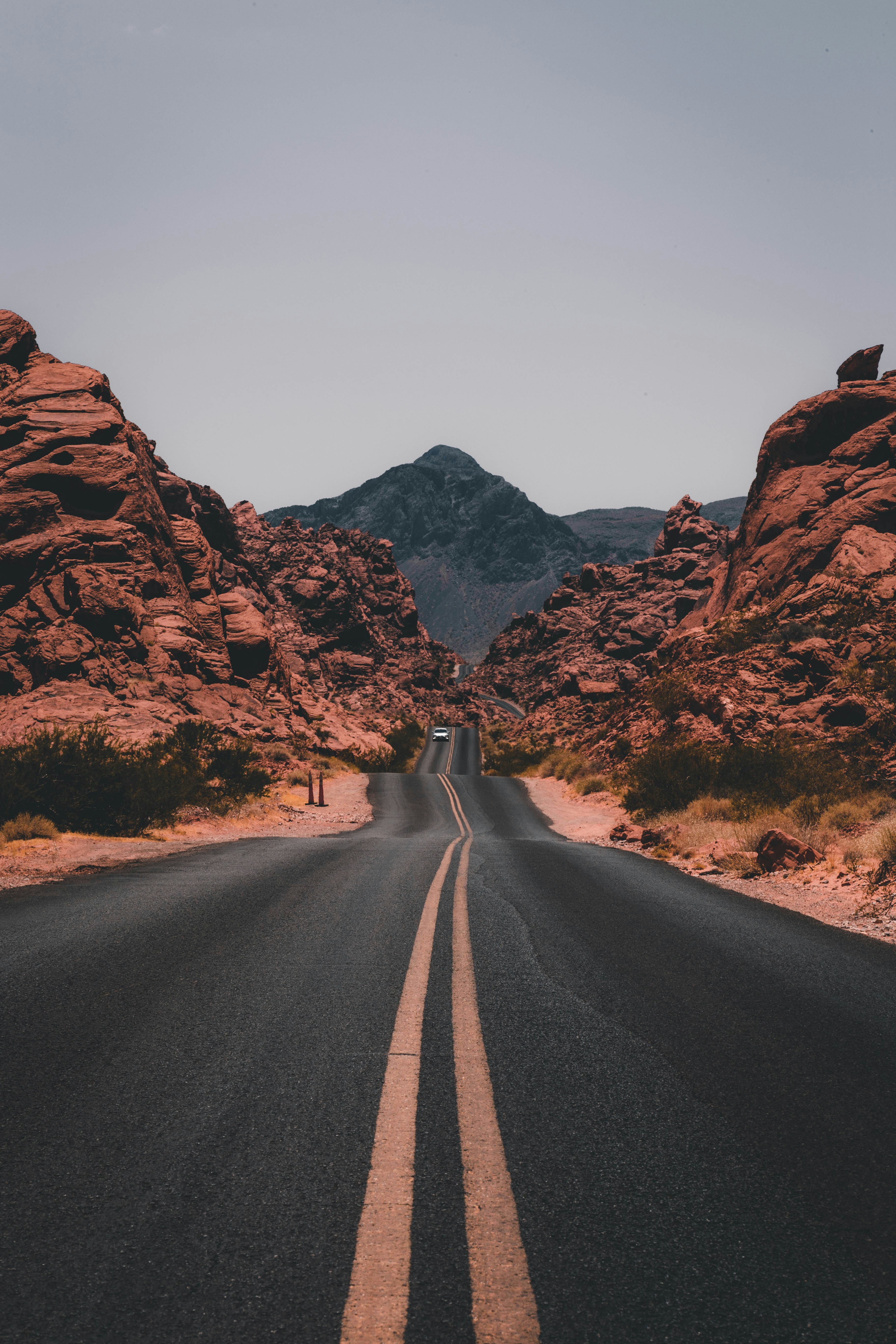
Cleavage, Jebel Jais Road
Cleavage is described within the local climbing community as a roadside climbing area associated with the Jebel Jais region.
Roadside climbing introduces additional hazards, including traffic, unsafe parking, falling rocks reaching the road and equipment obstructing public areas. Park responsibly and keep ropes, bags and people away from moving vehicles.
Exact route information should come from local climbers
This article deliberately does not provide bolt counts, route grades, anchor instructions or navigation coordinates. Obtain current technical information from a reliable local guide, qualified instructor or experienced community member who knows the area.
Before visiting an outdoor crag
A successful outdoor climbing day begins before leaving home. Confirm the route, weather, equipment, climbing partners and emergency plan in advance.
Confirm your competence
Climbers should be trained in the specific activity they intend to perform. Top-rope climbing, lead climbing, cleaning anchors, rappelling and multipitch climbing require different knowledge and procedures.
Experience in a climbing gym does not automatically provide the skills needed to manage outdoor anchors, loose rock, route finding or remote emergencies.
Check the weather
UAE mountain conditions can include extreme heat, strong sunlight, sudden rain, thunderstorms and flash-flood risk in wadis. Avoid climbing during unsuitable or unstable weather.
Begin early during appropriate seasons, carry sufficient water and account for the time needed to descend, retrieve equipment and return to the vehicle.
Inspect your equipment
- Climbing harness
- Certified climbing helmet
- Suitable dynamic climbing rope
- Compatible belay device
- Locking carabiners
- Sufficient quickdraws
- Appropriate slings and anchor equipment
- Closed and supportive footwear
- First-aid supplies
- Headlamp and backup lighting
- Charged telephone and power bank
- Sufficient water and food
The required equipment depends on the route and climbing system. Do not use this list as a replacement for proper route planning or professional instruction.
Prepare for emergencies
Tell a trusted person where you are going and when you expect to return. Carry a charged phone, but do not assume that mobile coverage will be available at every crag.
Know how emergency services can reach the area and have a realistic plan for retreating if a climber becomes injured, weather changes or essential equipment is damaged.
Help protect the future of UAE climbing
Outdoor climbing areas are shared resources. Their future depends on climbers behaving responsibly, respecting access and supporting the people who maintain routes.
Avoid treating a crag as a commercial facility where someone else is automatically responsible for every bolt, path and anchor. Community-developed areas require users to remain observant and to communicate problems.
Climbers can contribute by reporting hazards, participating in organised clean-ups, supporting approved maintenance projects and welcoming newcomers without encouraging them to attempt activities beyond their training.
Climb with confidence, but never allow confidence to replace caution.
Final thoughts
Ras Al Khaimah's mountains give the UAE an impressive environment for outdoor rock climbing. Jebel Jais and the surrounding Hajar landscape contain extensive rocky terrain, while a small and dedicated community continues to share knowledge and care for established climbing areas.
The sport's growth must be accompanied by strong safety practices, ethical route use and respect for landowners, authorities and local communities.
Learn from experienced and qualified people, inspect every system, follow current access guidance and never rush a safety-critical decision. Mountains reward courage, but they demand prudence.
Sources and further information
DubaiHiking.org Editorial Team
Our team publishes hiking guides, climbing information, outdoor-safety resources and community stories for explorers across Dubai and the UAE.