Travel note: This is a personal road-trip account. Border requirements, visa eligibility, insurance, road access, fees and weather conditions change; independently verify current official UAE and Oman requirements before travelling.
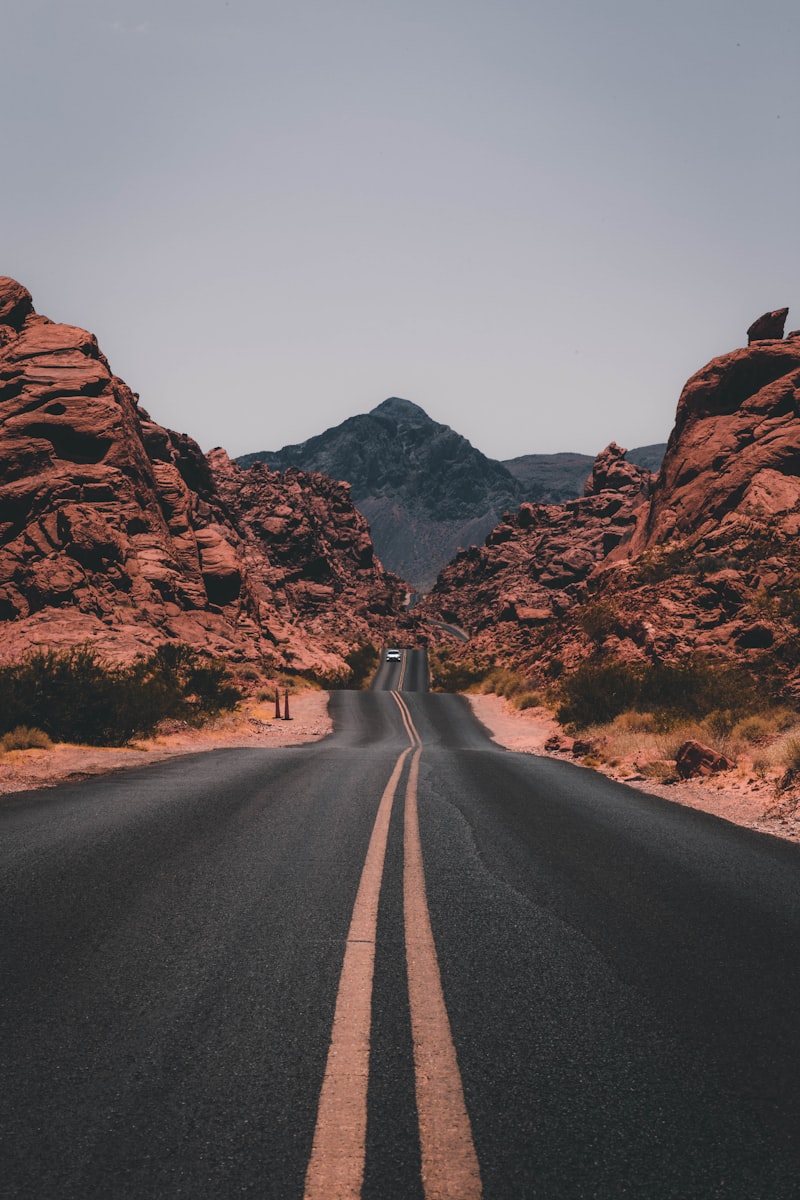
Going on a road trip is like unravelling a treasure map of hidden gems, and when the destination is Khasab in the Musandam Peninsula, Sultanate of Oman, the journey becomes an travel of discovery. Picture yourself at the crossroads of adventure, driving slowly with one side mountains and other side wast ocean, where the asphalt leads you from the bustling cities of the United Arab Emirates to the tranquil shores of Oman's northernmost tip of the continent. As you buckle up and set your GPS for Khasab, get ready for a road trip that transcends mere travel—it's a voyage into the heart of rugged landscapes, cultural richness, and the allure of the Arabian Sea. Join me as we navigate the winding roads, traverse mountainous terrain, in the month of November and uncover the secrets that make this journey from the UAE to Khasab a chapter in the book of unforgettable adventures.
Preparation: Planning the Road Trip
I usually check the weather conditions before setting a trip. It should be favorable, other wise we will be speding whole day indoors and will not be able to explore anthing. The roads to Khasab is bit risky. You can expect flash flood pushing the gravels and land slids are quite often while raining. So avoid rainy season at all cost.
Lets get started with the most important part of any trip. The plan. A man withoutplan is alog in a floting river. The river get to decide where to take you. So lets plan properly.
A. Vehicle Checks: Ensuring a Smooth Ride
I drive a sedan. But its highly recommened to drive a 4x4 offroad capable SUV for exploring the unpaved roads of Khasab.
Mechanical Inspection
Schedule a thorough inspection of your vehicle. Check the engine, brakes, tires, and fluid levels. If possible take it to your car mechanic and do a through checks. Ensure that your spare tire is in good condition, and all necessary tools for changing a tire are on hand.
Documentation
Carry your vehicle registration, insurance documents, and driver's license. Ensure they are valid for the entire duration of your road trip. Insurance for you car. It is very important you to get the insurance paper which we call it Orange paper written in arabic. I got it on;ine by sending an email request to my car insurance provider. They replaied to me online with a page to print out having a Qr code on it. Keep a copy of your vehicle's ownership certificate and any relevant roadside assistance memberships. If your car is under loan from Bank you may need NOC clearance letter from your bank to take it outside the country. If you are driving your friends car, you may need the NOC letter from the original owner of the car with is ID proof attested with it.
Emergency Kit
Pack an emergency kit, including a first aid box, flashlight, basic tools, and jumper cables. Consider adding items like a reflective vest, warning triangle, and a fire extinguisher for added safety.
Fuel and Fluids
Plan your fuel stops strategically, especially in remote areas. Keep your tank topped up. Check and refill essential fluids such as oil, coolant, and windshield washer fluid.
B. Required Documents: Navigating Border Crossings
Passports and Visas
Ensure all passengers have valid passports with minimun 6 months validity on it. Ensure your emirate ID with you. If necessary, obtain the required visas well in advance to avoid delays at the border for those who are on visit visa. Its better go woth the trvael agancies if you are on visit visa in UAE.
Vehicle Papers
Bring original vehicle registration documents and proof of ownership. Check if your vehicle insurance is valid for international travel. If not, consider obtaining additional coverage.
C. Currency and Finances:
There is an exit fee in the UAE border gate. and entry fee at Oman Border gate.
Local Currency
Carry Omani Rials for transactions in Khasab. While some places may accept UAE currencies, it's advisable to have the local currency just in case. From my personal experinces all the shops and groceries accept UAE dirhams equivalent to the Omani riyals.
Credit Cards
Crredit car is mostly prefered at the Border emigration offices. AED 30 for each person as a sur charge to exit UAE. OR 50 for each person for visa on arrival at Oman entrance. Inform your bank about your travel dates to avoid any issues with credit card transactions abroad. Carry some cash for places that may not accept cards.
D. Navigation and Communication:
Maps and GPS
Download offline maps or carry physical maps for areas with limited connectivity. Ensure your GPS navigation system is up to date and Oman map is downloaded before leaving.
Communication
Have a local SIM card or an international roaming plan to stay connected during the journey. Du and etisalat is directly providing roaming services for few fils extra. It will be helpful in case of emergency. Share your travel itinerary and important contact details with a trusted friend or family member. Expected time of reporting and return. Keep them posted about your plans for each day.
The travel and route
I started early morning like 2 AM from my home. I ate well and slept early the night before like 7 PM after packing my stuff in the bag and woke up at 1 AM. got freshen up and had some snacks and set off.
I will give a small list of things which i took with me in the bag.
Spare inner wears & socks Spare t-shirt and trackpants Towel Snacks, fruits & water bottle, Strong cold coffee Swiss knife, lighter & Head torch. Snorkling kit & Swim wear Sandals Gopro, DSLR & tripod. Rain jacket (As it was mentioned in the weather report, it might rain) The drive from Dubai to RAK was pretty easy at night. I Love drivign at night is so stress less and the roads are free from traffic conjuction. That why i prefer travelling at night. Also my idea was to get to the boder check post early before everyone turns up. Once people start coming then teh queue at the border will be big and it will take hours to get pass the gate. The process is bit slow there. If you are not feeling comfortable travelling in the night or you think you may get sleepy try avoid travelling at night for your safety.
Since it was raining, there is water pools everywhere on the road. I had to drive slowly and one time I hit a water pool in the middle of 311 and mud flap got broken. I had to park the car and fix the mudflap properly to continue.
The water driplets from the big trucks and cars in front was fogging up the front glass of car an was bit oily. It is highly recommended to add little shampoo in the car widscreen wash fluid to keep the glass clean.
Border Crossing: UAE to Oman
Open Al Darah Border Crossing in Google Maps
Once you reach the Al dara rtoad crossing slow down and find the parking area. Dont rush into the gates. you have procedure to finish. Be careful, it a military area so dont even think about taking some Photos from there. Its a big No no.
Ensure you have full tank fuel and food before leaving RAK city.
Get your passport, Emirates ID, Driving lisence, Vehicle Lisence, Insurance copy (Orange card), NOC (if rquired) and walk to the Depature room. Goto the counter and wait for your turn if there a queue.
You will have to pay 30 AED for exit chnarges and they will give you a paper recipt with QR code on it.
Make sure you collect all the documents and ensure the Exit stamp is doen in the passport and goto car.
Drive to the barrier gate where there is a green light on. Show the guard the paper recipt with QR code in it and he will allow you to pass.
It may be bit confusing for first timers, follow the arrow marks and you will reach Oman Entrance. Again Dont rush into the gate barrier. Find a parking and take all the documents with you and proceed to the Oman Emmigration office. Officers here are not good in English, but if they ask you any question, just make sure they understand you very well. You may use the help of google translator as well.
You will have to pay OR 50 for each person for the visa on arrival and fill up a small form form immigration.
Once you are done there, make sure you get entry Stamp on the passport and then proceed to car and then to the gate.
Next step is the security check. You will have to get down and open the trunk and bags to the securtiy personals there. Make sure you dont carry any illegal stuff that are not allowed through an airport. Arms, Ammunitions, Drones, Alcohol bottles etc. Camping stuffs are fine. Never face any problem with campfire & stuffs.
Once you are cleared, that security will stamp of the paper recipt and then you can proceed to the final gate. Show the paper recipt and you will proceed to enter oman.
Early morning the Emmigration counter are empty so for me it took less than 15 minutes to pass each check points. Thats what I advise you to do.
It was still early morning like 4 AM when i offically reached the roads to Khasab. I find nice parking area beside the sea and decided to take a nap till morning sunrise. I want to enjoy the sunrise and drive. It was Quiet and cold breeze, sound of the waves and drizzing rain. View Lightning far away in the sea.
Scenic Drive: Through the Hajar Mountains
I woke up when the twilight started appearing in the sky. Had some coffee from the stock and some snacks and then decided to drive towards Khasab.
As the wheels roll away from the familiar landscapes of the UAE, the road to Khasab transforms into a visual symphony, with each turn revealing the awe-inspiring beauty of the Hajar Mountains. This mountain range, draped in rugged grandeur, becomes an integral part of the journey, offering an unforgettable backdrop to the road trip.
Watch out and glow slowly.
My final obective is to reach this particular spot for camping. Yes you can reach here with your sedan car as well. But you need to be very creful while driving unpaved roads. It is upto you to take the risk.
So kept driving through the secnic routes straight to khasab town. On the way I parked some places on the main road to get some nice pictures. I got a couple of amazxing photos on the way with sun rise and rain. It was so amazing to see the wonders on the nature.
Khasab Arrival: Welcoming Harbor Town
There are couple of supermarkets, Hyper markets in the town and some nice authentic restaurents for you brunch. I reached the town around 9 AM and had nice breakfast from the local restaurents.
After taking a break nice cup of coffee, decided to travel to the destination. Khor Al najd or locally they call is as Corniche.
Before heading to the camping location, if you have time you can explore the near by locations like
Echo point
Open Echo Point in Google Maps
Petroglyphs at Jebel Al Harim
Open Jebel Al Harim petroglyphs in Google Maps
Al Khalidiya Acacia Forest & Children's Park
Open Al Khalidiya Acacia Forest in Google Maps
These are some pit stops to take some amazing photos. If you are not sure about the roads, just tun back. Because these road to the mountians are often washed off durign flash floods.
Khor Najd
Acutally this is a resevred or protected area. Access to this locatin is some time restricted.
The unpaved road will lead to the hill top and then from there all the way down to the beach.
If you driving a sedan, use the lowest gear or second lowest gear to get the max torque and keep driving. Your tyre might slip, but thats perfectly fine.
When you are driving down hill, always ensure your gear is in the Lowest gear and drive as slow as possible.
Nestled within the dramatic landscape of Musandam, Khor Najd stands as a hidden gem waiting to be discovered. Far away from the bustling city life, this fjord offers a tranquil escape into nature's embrace. As you approach Khor Najd, the coastal scenery becomes increasingly dramatic. Towering cliffs, rugged mountains, and crystal-clear waters create a picturesque setting that seems almost untouched by time. Exploring Khor Najd often involves taking a boat excursion. Local boat operators offer tours that take you deep into the heart of the fjord, allowing you to marvel at the natural beauty that unfolds around every corner.
The waters of Khor Najd are known for their mesmerizing turquoise hue. The clarity of the sea offers a captivating glimpse into the marine life below. Keep an eye out for dolphins that may playfully escort your boat.
One of the charms of Khor Najd is the presence of secluded beaches and hidden coves along its shores. These peaceful spots provide an opportunity to relax, swim, or simply soak in the tranquility of the surroundings.
For those seeking underwater adventures, Khor Najd offers excellent snorkeling and diving opportunities. The marine life in this area is diverse, with colorful coral reefs and a variety of fish species. The fjord is flanked by majestic cliffs and unique rock formations that add to its allure. These geological wonders create a dramatic backdrop for the entire Khor Najd experience.
A visit to Khor Najd becomes even more magical during sunset. The warm hues of the setting sun cast a golden glow over the landscape, creating a serene and romantic atmosphere. Khor Najd retains a sense of remoteness and serenity, making it a perfect destination for those seeking a peaceful retreat surrounded by nature's wonders.
The return.
Next day early morning after taking a nice refreshing dive in the fresh cold water, i decided to pack up and return. Directly drive to the khasab town and went for nicwe good breakfast. After Having food, it was tiem to explore the Kahsab town.
These are the some of the amazxin gplaces to visit.
Khasab Castle
Open Khasab Castle in Google Maps
Al Kmazera Castle
Open Al Kamzrah Fort in Google Maps
You might be able to spend 2 to 3 hours exploring these location for the day.
I wopuld highly recommend you to start you return journy before the sunset, so that you can have an amazng drive back with the sunset view on the right side of you car. You can stop by the beaches if you want to take photos or take another swim.
I reach back to the Border passing around 8 PM. As it was expected it was crowded. Directly park the car at the Oman gate and goto to the emigration counter to get the passport stamped with Exit seal. There is no payment require while returning. just ensure you got stamped. Then proceed to the car and pass the gate.
On dubai side, i remember you will have to drive through a X ray scanner and the stop at the parkign area. Goto the counter and do the entry stamp. No additional fees are required at this time as well. Once you confirm you got stamped you can take your car and proceed to the gate to the exit.
The end.
Beyond the words on these pages lies a world of rugged landscapes, crystalline waters, and cultural richness waiting to be discovered. The road to Khasab is not merely a passage; it's an expedition that unveils the very essence of travel — the joy of exploration, the thrill of the unknown, and the serenity found in the embrace of nature.
So, fellow wanderer, pack your bags, fuel your curiosity, and set forth on a journey that promises not just destinations, but transformative experiences. Whether you're captivated by the panoramic vistas of the Hajar Mountains or entranced by the hidden beauty of Khor Najd, the Musandam Peninsula beckons with open arms.
As you navigate the landscapes that have unfolded in these words, remember that the true magic lies in experiencing it firsthand. Khasab and the Musandam Peninsula await, ready to etch their indelible mark on your travel memoirs.
So, dear reader, let the road call your name, and may your journey be as boundless as the horizon, as rich as the culture, and as enduring as the memories you create along the way. The beauty of Khasab and the Musandam Peninsula beckons — answer the call and write your own chapter in the story of exploration and adventure.
Please let me know if you find this article useful. If you want me to add your experince, please write to me.