During one of our mountain walks, we came across a remarkable perennial succulent growing in a cluster among the rocks. Its fleshy, angular stems looked almost rubbery, and at first we had no idea what it was.
Back home, we began searching through plant references and discovered that we had most likely found the species long known as Caralluma arabica. The plant is native to the Arabian Peninsula and is well adapted to dry mountain and desert environments.
Current botanical name
Modern botanical references generally accept the name Desmidorchis arabica. The older name Caralluma arabica remains widely used in regional books, traditional knowledge and everyday conversation.
A discovery on the trail
Caralluma is easy to overlook when it is not flowering. Its stems can blend into dry rock, gravel and sparse vegetation. Once noticed, however, the plant has a distinctive shape that is difficult to forget.
It grows as a clump of upright, fleshy stems. The stems perform much of the work normally carried out by leaves, helping the plant conserve water in harsh conditions.
Some of the most interesting mountain plants are not large or colourful. They simply know how to survive.
What is Caralluma?
Caralluma belongs to the dogbane family, Apocynaceae. Older references may place it in the milkweed family, Asclepiadaceae, but that group is now generally treated as part of Apocynaceae.
Desmidorchis arabica is a succulent subshrub native to the Arabian Peninsula, including the Gulf States, Oman, Saudi Arabia and Yemen. It grows primarily in desert and dry shrubland habitats.
The genus contains several superficially similar species, which means that identification based only on stem colour can be unreliable. Flowers, stem shape, location and other botanical features may all be needed.
A plant with many local names
Regional names vary between communities and dialects. The plant has been recorded under names such as khanasoor or khansur, dhagabis and related local forms.
The UAE Department of Health medicinal-plant reference also records several Arabic and local names for Caralluma arabica, reflecting how widely the plant has been recognised and used across the region.
Local names are valuable—but not enough for identification
The same name may be used for more than one plant, and spelling changes when Arabic names are written in English. Use flowers and trusted local botanical references before identifying a wild specimen.
How it grows
The plants usually form clusters of upright, jointed stems. Depending on age, rainfall and growing conditions, a cluster may remain compact or spread outward into a larger mound.
Our largest specimen was approximately 25 centimetres high. Some descriptions report plants reaching around 30 centimetres or more, but size varies with species and conditions.
- Perennial succulent
- Cluster-forming growth
- Fleshy upright stems
- Few or no obvious leaves
- Adapted to dry rocky terrain
- Flowers produced seasonally
The stems may appear green, grey-green, pinkish or purplish depending on the species, age, sun exposure and water stress.
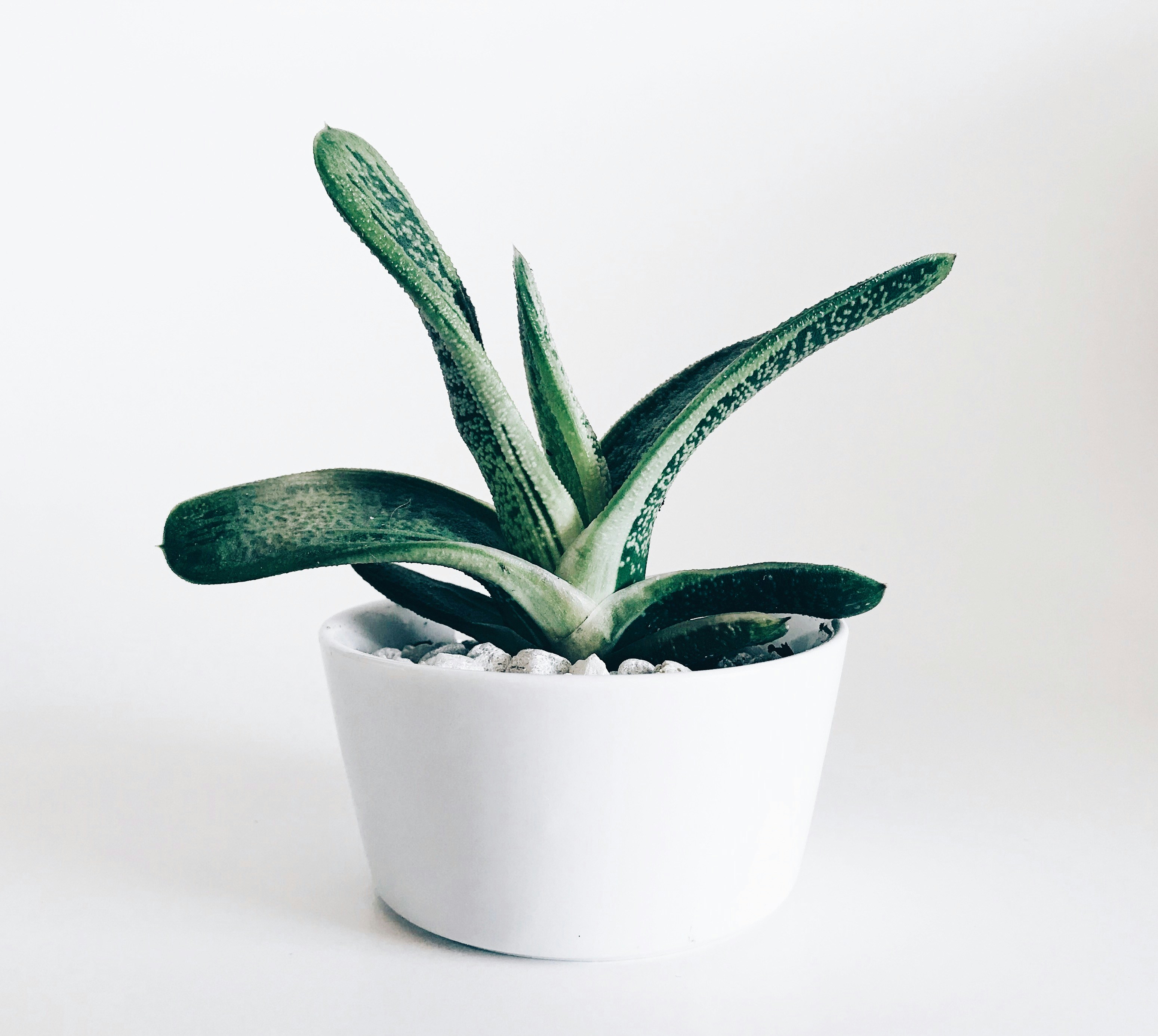
Young shoots after winter and spring rain
After winter and spring rain, fresh young shoots may appear in greater abundance. These tender new stems have traditionally been collected in parts of the Arabian Peninsula and sold in local markets.
Rainfall in the mountains is highly variable, so a productive season may be followed by a year with very little new growth. Heavy collection during a poor season could place unnecessary pressure on local populations.
Traditional food use
Despite its unusual, rubbery appearance, Caralluma has a history of being eaten in the region. Young aerial parts have been described as juicy, with the tender tips sometimes compared with asparagus.
However, “Caralluma” refers to a group of similar plants, and not every specimen should be assumed edible. Traditional knowledge includes the correct plant, season, plant part and method of preparation.
Do not eat a wild plant from a photograph
Never consume a wild succulent solely because it resembles an image or carries a familiar local name. Misidentification, contamination, pesticide exposure and incorrect preparation can all create risk.
When documenting an edible tradition, it is better to learn from experienced local harvesters and botanists rather than experimenting independently.
Pinkish and greenish plants
We initially understood the pinkish specimens as Caralluma arabica and the greener ones as Caralluma flava. Both names appear in older regional references.
Current taxonomy accepts these species as Desmidorchis arabica and Desmidorchis flava. Both are native to parts of the Arabian Peninsula.
Colour alone is not a dependable way to separate them. Sun exposure, drought stress, age and growing conditions can influence stem colour. Flowers and detailed botanical characteristics are more useful for reliable identification.
Traditional medicinal use
Caralluma has a long history in regional folk medicine. Published sources record traditional use for conditions including high blood pressure, diabetes, liver problems, fever, inflammation, indigestion and other complaints.
Researchers have isolated several chemical compounds from Caralluma arabica and have investigated anti-inflammatory, pain-relieving, antioxidant and cardiometabolic effects in laboratory or preclinical studies.
These findings do not establish the raw plant as a proven treatment for hypertension, liver disease or indigestion in humans. Traditional use, laboratory activity and clinically proven medicine are three different levels of evidence.
Do not replace prescribed treatment
Caralluma should not be used to replace blood-pressure, diabetes, liver or digestive treatment. Wild preparations may vary in strength and could interact with medication. Medical use requires advice from a qualified clinician and reliable product identification.
Observe without damaging the plant
Caralluma grows slowly in a demanding environment. A small cluster may have survived several seasons of drought, heat and grazing.
Hikers should avoid uprooting specimens, breaking stems or collecting flowers merely for identification. Take clear photographs of the entire plant, stems, flowers and surrounding habitat instead.
- Photograph the plant from several angles.
- Record the location without publishing sensitive coordinates.
- Do not uproot or cut the plant.
- Do not taste an unidentified specimen.
- Use flowers and habitat details for identification.
- Consult a regional flora or qualified botanist.
Final thoughts
Caralluma is one of those mountain plants that rewards curiosity. At first glance it appears strange and almost artificial, yet every part of its form reflects adaptation to an arid landscape.
Its traditional value as food and medicine also reminds us that local plant knowledge is much richer than a simple list of species. The plant must be understood together with season, preparation, culture and place.
The best response to an unfamiliar wild plant is curiosity first, identification second—and collection last.
Further reading
- Kew Plants of the World Online: Desmidorchis arabica
- Kew Plants of the World Online: Desmidorchis flava
- UAE Department of Health medicinal-plant reference

DubaiHiking.org Editorial Team
DubaiHiking.org shares UAE hiking stories, native-plant encounters and responsible outdoor knowledge from the Hajar Mountains and beyond.